





Sometimes the world doesn't get louder, but it starts feeling that way. The lights seem harsher, every sound pushes forward, your clothes feel wrong, and one more question suddenly feels like too much.
Sensory overload in adults often builds before it becomes obvious. You may lose your train of thought, feel unusually tense, or start searching for a way out. These signs are not something to push past. They are your cue to reduce the demands and make the moment easier on your senses.
In this blog, we’ll help you recognize your early signs, lower the sensory load, and create a recovery plan that feels right for you.
What Does Sensory Overload Feel Like for Adults?
Sensory overload happens when your brain receives more sensory information than it can comfortably process at that moment. Sounds, lights, smells, touch, movement, temperature, or even sensations inside your body may start competing for attention.
You might feel irritable, panicky, restless, tearful, or desperate to leave. Thinking and speaking may become harder. Some people pace or snap; others go quiet, freeze, or struggle to respond.
There is no single correct version. Sensory overload can affect autistic adults and adults with ADHD, but you do not need either diagnosis to experience it.
Sensory Overload Feels Different From Ordinary Irritation
An irritating noise is unpleasant. During overload, your ability to filter that noise, follow a conversation, make decisions, or stay in the room may begin to disappear.
Sensory overload can resemble anxiety or panic, and the experiences may overlap. However, overload often eases when sensory input and demands are reduced. Telling yourself to push through can add pressure to a system that is already working very hard.
That does not make you difficult or dramatic. Your sensory load has exceeded your current capacity, which can change from hour to hour.
How Sensory Overload Builds
Sensory overload often comes from several small demands arriving at once. Noticing how they build can help you respond before everything begins to feel like too much.
Input Starts Piling Up
Overload is not always caused by one enormous trigger. It may be fluorescent lighting, background music, conversations, phone alerts, heat, perfume, and an uncomfortable chair. Each input asks for attention until no comfortable space remains.
Your Capacity Changes Too
Poor sleep, hunger, pain, stress, illness, or an unfamiliar environment can lower your tolerance. A busy supermarket may feel manageable one weekend and impossible the next. That change is useful information, not a personal failure.
The Early Signs Can Be Quiet
You may clench your jaw, lose your train of thought, rub your hands, speak less, become unusually bothered by touch, or start looking for an exit. Treat these as yellow lights. Ask: What input can I reduce right now?
The earlier you notice these signals, the more choices you have. Even one small change, such as lowering the noise or stepping away briefly, can make the moment easier.
Three-Phase Sensory Overload Recovery Plan
When overload arrives, you do not need to fix everything at once. Start by making the moment smaller, more predictable, and easier on your senses.
1. Reduce Incoming Input
Move to a quieter or dimmer place if you can. Silence notifications, step out of the conversation, loosen irritating clothing, or use earplugs or headphones. A simple sentence such as “I need ten quiet minutes” can save you from explaining everything while words are hard.
If leaving is not possible, face away from the busiest area and reduce whichever input you can control.
2. Restore Choice and Predictability
Overload can make every new question feel like another alarm. Reduce decisions. Sit or stand somewhere familiar, look at one steady object, or use a timer to make the next few minutes predictable.
You do not have to talk, make eye contact, or perform a breathing exercise. A written message or agreed hand signal can communicate what you need with less effort.
3. Add the Kind of Input You Actually Like
Self-soothing is not childish or indulgent. It is the practical act of giving yourself a more manageable sensory experience.
You might prefer stillness or pacing, silence or one familiar song, cool air or warmth, no touch or steady pressure. Try stretching, rocking, holding a smooth object, or resting something comfortably weighted on your lap. Stop any technique that makes you feel hotter, trapped, dizzy, or more overwhelmed.
Choose Sensory Tools Based on What You Need

Start with the sensation you want to reduce or add:
-
Too Much Sound: Earplugs or noise-reducing headphones
-
Too Much Light: Sunglasses, a cap, or a softer lamp
-
Restless Hands: Putty, textured objects, rings, or discreet adult sensory toys
-
Need for Movement: A resistance band, rocking seat, or room to pace
-
Preference for Pressure: A weighted pillow or another easy-to-move comfort product
-
Need for Familiarity: A favorite fabric, scent-free kit, playlist, or written recovery card
The best sensory items for adults are accessible, pleasant, and simple enough to use when thinking feels difficult.
How Deep Pressure Can Add Comfort
Deep pressure stimulation, sometimes called deep pressure therapy, refers to firm, steady pressure. Some adults describe it as grounding because it gives the body one clear sensation to focus on.
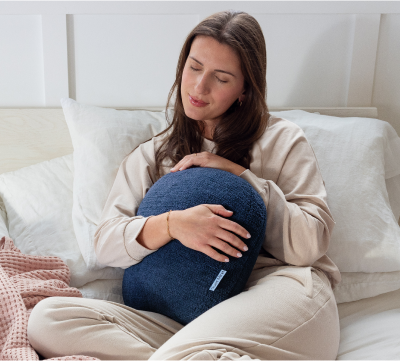
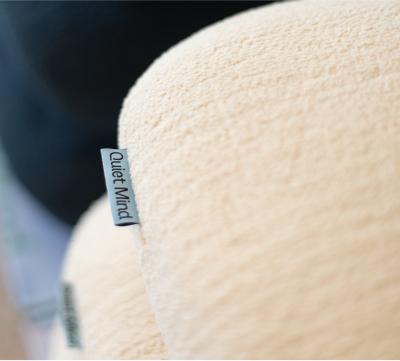
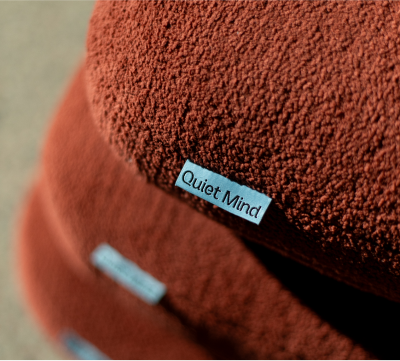
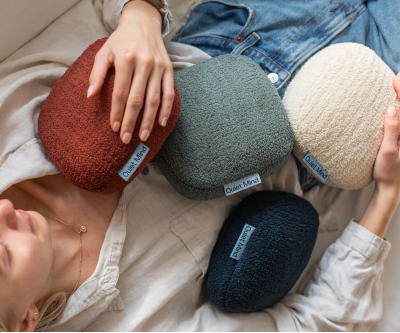
A weighted pillow can bring that comfort to your lap or give you something soft and steady to hold. Choose a position and amount of pressure that feels pleasant, keep it easy to move, and let your own comfort guide how you use it.


Make a Personal Overload Recovery Card
When you feel settled, save five short notes on your phone:
-
My earliest warning signs
-
Inputs that usually make things worse
-
What I need reduced first
-
Sensory tools that tend to help
-
What another person can do for me
Update the card after real experiences. You are not grading your recovery. You are learning your patterns, which makes it easier to ask for what you need next time.
When to Seek More Support
Consider talking with a healthcare professional or occupational therapist if overload is frequent, worsening, unsafe, or limiting work, sleep, relationships, travel, or essential activities. Sudden or significant new sensory changes also deserve medical attention.
Support may include identifying underlying factors, developing accommodations, or exploring personalized sensory strategies. Asking for help is not an admission that you have failed. It is one more way to make daily life kinder and more workable.
FAQs
What causes sensory overload in adults?
It happens when sensory input exceeds your current processing capacity, often influenced by stress, fatigue, pain, or your environment.
How long does sensory overload take to recover from?
Recovery may take minutes or hours, depending on intensity, available support, and how quickly the input is reduced.
Can adults have sensory overload without autism?
Yes. Autism and ADHD can increase sensory differences, but overload may affect adults without either diagnosis.
What sensory items help adults during overload?
Helpful options include earplugs, sunglasses, textured objects, movement tools, or weighted comfort products that suit personal preferences.
Find the Kind of Comfort Your Senses Welcome

Recovering from sensory overload starts by removing demands. Choose one early warning sign to watch for and one comfort cue that reliably makes the moment feel more manageable.
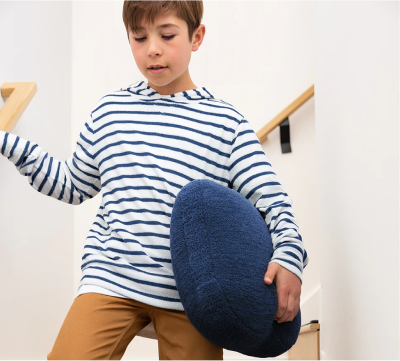
If steady pressure is a sensation your body enjoys, Quiet Mind’s weighted pillows offer a huggable option for your lap, quiet time, or wind-down routine. Comfort is personal. The right tool is simply one that feels supportive, manageable, and easy to reach for.
Explore Quiet Mind’s weighted comfort tools and find the kind of support your senses welcome.