






You already know your bedroom should be dark. You have heard the usual advice about screens, caffeine, and relaxing routines. All true. None of it feels useful when you are exhausted, and your mind is holding a midnight meeting.
Learning how to sleep better with anxiety starts with a more helpful question. What is keeping you awake tonight? Once you know whether you are dealing with mental noise, physical tension, or pressure to fall asleep, you can choose a response that actually fits.
In this blog, we’ll help you identify what is keeping you awake and choose a calmer, more practical response for the night ahead.
First, Identify What Is Keeping You Awake
Before reaching for a calming technique, pause and ask yourself one simple question: What is keeping me awake right now?
-
If your mind is busy replaying conversations or planning tomorrow, you are dealing with mental noise.
-
If your jaw feels tight, your legs are restless, or your heart is racing, your body may still be on alert.
-
If you keep checking the time and calculating how little sleep remains, the pressure to fall asleep may be making rest even harder.
You do not need to label the feeling perfectly. Simply notice what is asking for the most attention tonight. Once you know where the tension is coming from, you can choose a response that feels more supportive.
Try This 10-Minute Stop-Chasing-Sleep Reset
Turn the clock out of sight, then write your loudest worry in one sentence. Under it, add one practical next step. If there is nothing useful you can do before morning, write, “Nothing to solve tonight.”
Next, soften the places that tend to brace without asking. Unclench your jaw, loosen your hands, and let your shoulders drop. Choose one neutral sensation to notice, such as the mattress supporting you, a familiar fabric, or something comfortable to hold.
The goal is not to make sleep happen within ten minutes. It is to stop adding urgency to being awake. Sleep has more room to arrive when it is no longer being chased.
Choose What Helps Based on What Is Keeping You Awake
Once you know what is keeping you awake, you do not need to try every calming technique at once. Choose the response that fits what your mind or body needs tonight.
If Your Mind Keeps Working After Lights Out
Skip the three-page journal entry. Try three short lines instead: what I am worried about, what I know, and what I can do next.
If the worry needs attention, set aside time for it tomorrow. “I will review this at 10 a.m.” is more reassuring than asking your brain to forget it. Let the note hold the thought for you. Bedtime is not the best office for solving it.
If Your Body Feels Braced for Something
Start with gentle muscle release. Tense your hands for a few seconds, let go, and notice the difference. Repeat with your shoulders and jaw.
Slow, comfortable breathing may also help. Let your exhale run slightly longer than your inhale, without taking huge breaths. If focusing on breathing makes you more anxious, stop. Notice a steady sound, your bedding, or the mattress beneath you instead. Self-soothing should feel supportive, not like another assignment.
If Bedtime Has Become a Performance Test
Clock-checking turns sleep into a countdown. Hide the time and replace “I must sleep now” with the gentler goal of resting quietly.
If you stay awake long enough to feel frustrated, leave the bed. Sit somewhere dim and do something calm and uninteresting until you feel sleepy, then return. This is part of stimulus control, a technique used in cognitive behavioral therapy for insomnia. It helps rebuild the connection between bed and sleep instead of bed and struggle.
If You Wake Up Anxious at 2 A.M.
The middle of the night is rarely a good time to research symptoms, plan your future, or make important decisions. Keep the lights low and return to the same simple reset.
If you become frustrated in bed, get up for a quiet, low-stimulation activity. Go back when sleepiness returns. Do not treat one difficult night as proof that every night will be difficult. Leave the problem-solving until morning. Right now, you only need to make wakefulness less tense.
Make One Small Daytime Change for an Easier Night
What happens after sunrise can make the next night easier. Start with a reasonably consistent wake time, even after poor sleep. Add morning light and some daytime movement when you can.
Then choose one experiment. You might move caffeine earlier, notice whether alcohol leaves you waking more often, or schedule ten minutes during the day for worries that usually follow you to bed.
Keep the change small and repeat it for several days. Testing one thing at a time makes it easier to notice what genuinely helps, and progress feels much more manageable.
Let Weighted Comfort Become a Familiar Bedtime Cue

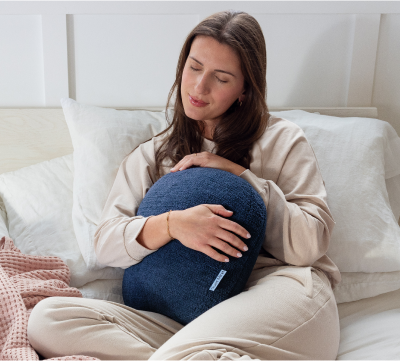
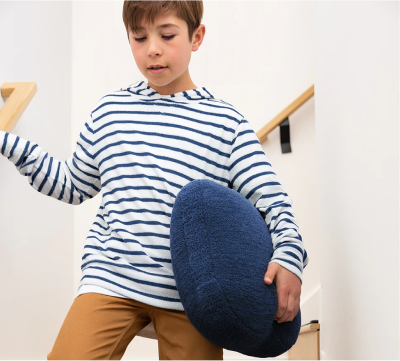
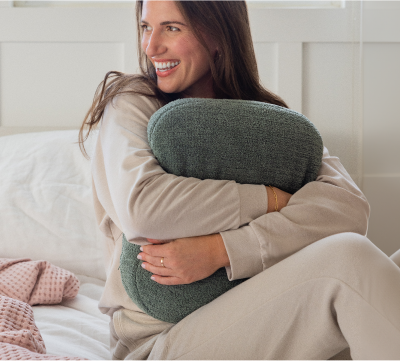
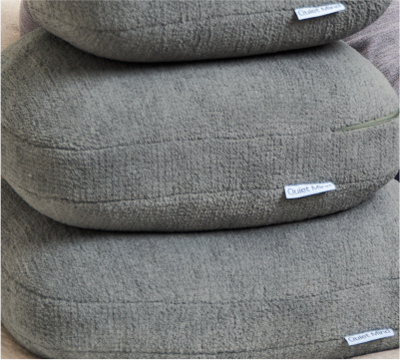
Some people settle more easily when they have something steady to hug or lean against. A weighted pillow can serve as a sensory anchor during reading, slow breathing, or the first part of a bedtime routine.
Firm, steady pressure is often called deep pressure stimulation. You may also see the phrase deep pressure therapy, although a weighted pillow is a comfort tool, not an anxiety treatment or a guaranteed sleep solution. Choose something easy to reposition and keep it clear of your face and neck.
If seated meditation is already part of your routine, a weighted pillow can add gentle pressure and support the practice. The best cue is one that feels comforting enough to use regularly.


When Sleepless Anxiety Needs More Support
Please speak with a healthcare professional if sleep trouble keeps returning, affects your days, or arrives with worsening anxiety, panic, depression, avoidance, or dependence on alcohol or other substances for sleep.
Cognitive behavioral therapy for insomnia, known as CBT-I, is the recommended first-line behavioral treatment for chronic insomnia. It works on thoughts and habits that keep sleep problems going. Calming routines and comfort tools can still belong in your life. Needing more support simply means you deserve a stronger plan.
FAQs
Can anxiety cause insomnia even when I feel tired?
Yes. Anxiety can keep your mind and body alert even when you feel physically exhausted and ready for rest.
Should I stay in bed when anxiety is keeping me awake?
If frustration keeps building, get up for a quiet activity and return when you begin feeling sleepy again.
Can a weighted pillow help me sleep with anxiety?
It may feel grounding and support a calming routine, but it does not treat anxiety or guarantee sleep.
Does meditation work for sleep anxiety?
Meditation may help some people settle, but results vary and forcing it can create more pressure around sleep.
Choose One Calming Cue to Come Back To

A better night does not require a flawless routine. Start by naming what is keeping you awake, stop chasing sleep, and choose one response that fits. With repetition, that small cue can become a familiar path toward rest.
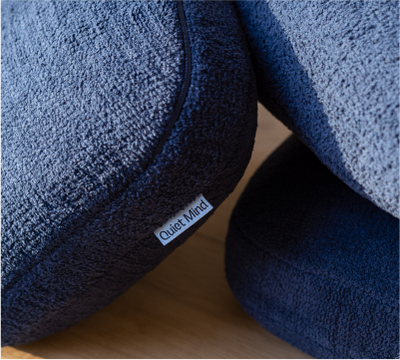
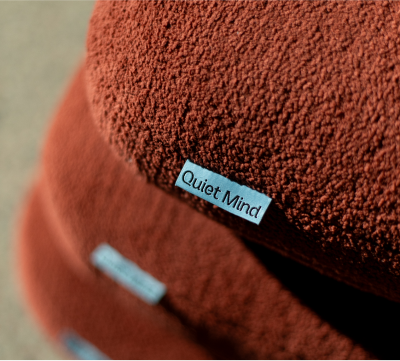
If steady pressure feels comforting, explore One Quiet Mind’s weighted pillows as one gentle option for your wind-down routine. Think of it as something supportive to reach for, alongside the habits and care that help you feel more at ease.