





Travel can be exciting and still make your nervous system feel like it missed the vacation memo. Maybe the worry starts days before departure. Maybe takeoff, turbulence, crowded terminals, or being far from home make your thoughts race.
Traveling with anxiety becomes more manageable when you have a simple plan for each stage of the journey. You do not need to feel perfectly calm. You only need a few familiar ways to steady yourself, stay comfortable, and take the next small step.
In this blog, you’ll learn simple ways to prepare for travel, steady yourself when anxiety rises, and feel more supported on planes and long trips.
Start With Your Personal Travel Trigger
Before packing calming tools for flying, notice what makes travel difficult. Is it uncertainty, crowds, physical sensations, lack of control, or feeling anxious somewhere you cannot easily leave?
Turn that trigger into a small if-then plan:
-
If the airport feels overwhelming, I will find a quieter gate area and put on my headphones.
-
If turbulence makes me tense, I will keep my seat belt fastened, relax my shoulders, and focus on one song.
A plan gives your mind somewhere useful to go when worry gets loud.
Make Departure Day Easier on Your Future Self
Travel anxiety loves last-minute surprises. A little preparation can lower the number of things asking for your attention at once.
-
Check your route, documents, baggage limits, transfers, and boarding time.
-
Download tickets, maps, entertainment, and important numbers in case the internet disappears.
-
If you can choose a seat, consider your trigger: an aisle offers easier movement, while a window means fewer interruptions.
-
Eat normally, drink water, and notice whether extra caffeine makes you feel more jittery.
-
Most importantly, practice one grounding or breathing exercise before the trip.
Familiar tools are easier to reach for than brand-new techniques when you are already anxious.
What to Do When Anxiety Rises on a Plane
Anxiety often asks you to solve the entire flight at once. Bring your attention back to the next minute instead. A useful sequence is to orient, exhale, ground, and then choose one small action.
Orient to Where You Are
Feel the support of the seat, place both feet down if you can, and notice three neutral details around you. Quietly name what is happening: “I am feeling an anxiety wave, and I can take this one moment at a time.”
Let the feeling be present while you reconnect with your surroundings. If symptoms feel severe, unfamiliar, or medically concerning, tell a crew member rather than assuming they are anxiety.
Let Your Exhale Slow Things Down
Take an easy breath in, then let the exhale last slightly longer than the inhale. Keep the breath gentle instead of forcing a huge inhale. Continue for a minute or two while relaxing your jaw and shoulders.
If counting breaths or breathing deeply makes you dizzy, return to your normal breathing and use a different grounding tool. This is not a test, and there is no perfect number to reach.
Give Your Senses a Simple Job
Try naming three things you can see, three you can hear, and three you can feel. You might notice the color of a bag, the hum of the cabin, or the fabric beneath your hands.
Familiar music, a light game, cool water, or a tactile object can also help. Choose scent-free options because strong fragrances may bother other travelers.
Ride Out Turbulence or a Panic Wave
Keep your seat belt fastened and follow crew instructions. Rather than monitoring every movement, soften one muscle group and focus on a short interval: one song, ten slow exhales, or the next scene of a downloaded show.
If you are traveling with someone, agree on a simple support cue beforehand. You can also tell a flight attendant that you are anxious. Asking for calm, practical support is a travel skill, not a failure.
Adjust the Plan for Long Drives, Trains, and Buses
The same tools work beyond planes, but the setup changes. On trains and buses, keep essentials within reach, choose a quieter seat when possible, and move when it is safe and permitted.
For road trips, plan regular breaks for food, fresh air, stretching, and a quick reset. A passenger can use grounding exercises, but a driver should pull over safely before doing anything that takes attention away from the road.
Include a backup route or extra time. Flexibility feels friendlier when it has already been considered.
Pack a Small Travel Calm Kit

Anxiety relief for travel does not require a suitcase full of gear.
Pick a few things you will use:
-
Headphones or earplugs
-
Water and a familiar snack
-
A light layer, eye mask, or sunglasses
-
Downloaded music or easy entertainment
-
A short grounding reminder saved on your phone
-
Prescribed medication kept and used according to professional guidance and current travel rules
-
A soft tactile object or compact weighted comfort item, if gentle pressure feels good to you
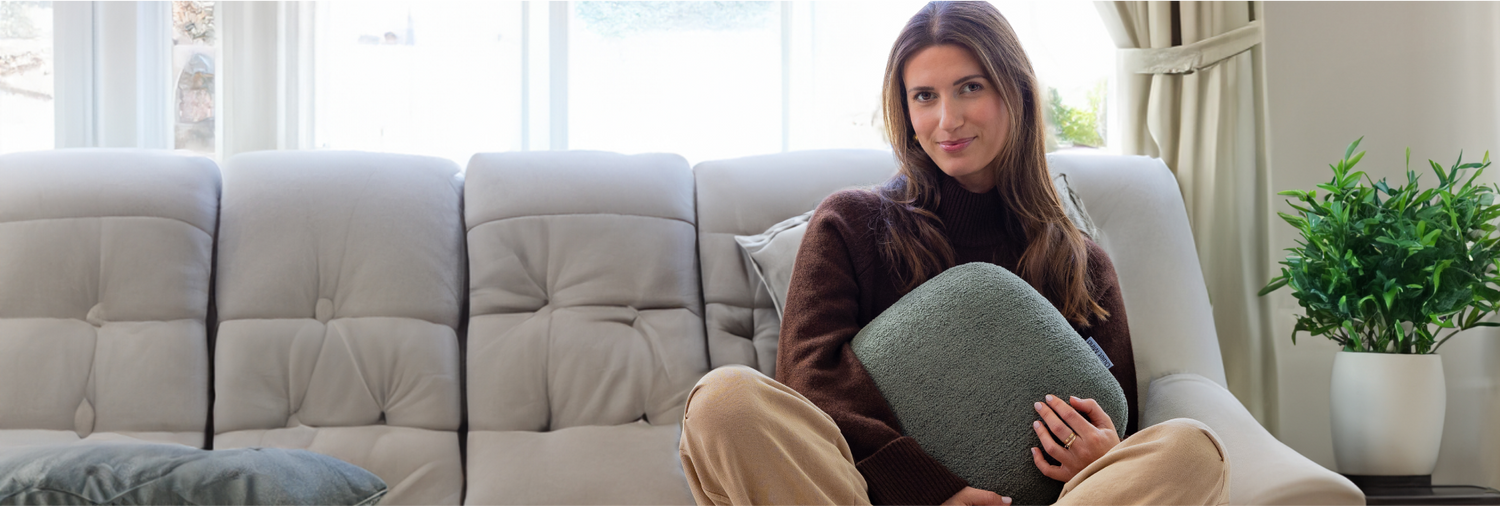
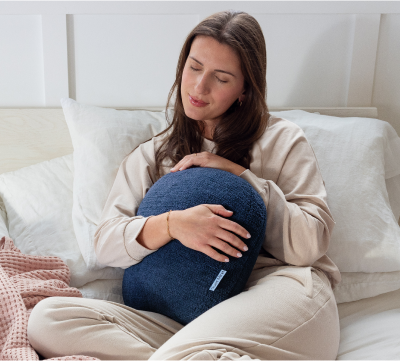
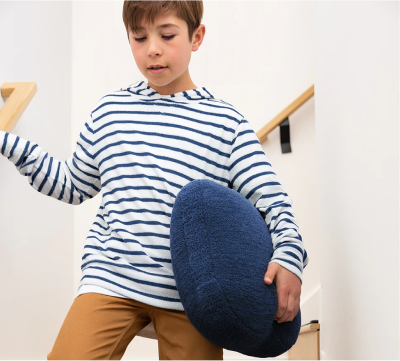
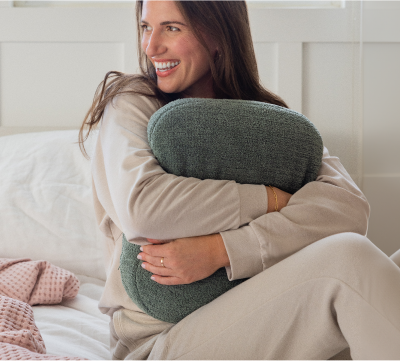
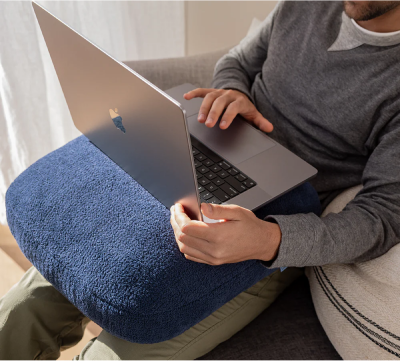
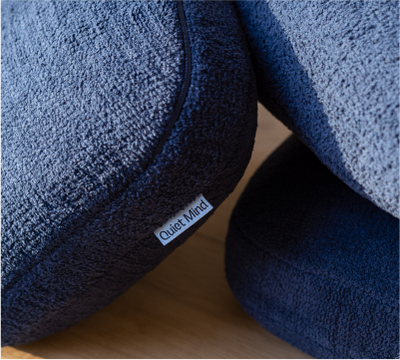
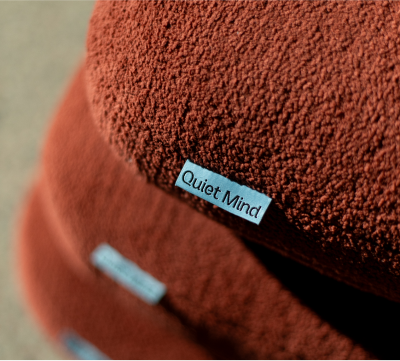
A One Quiet Mind Lil’ Hugster can offer something soft and steady to hold. It is a comfort cue, not an anxiety treatment. Check airline limits, keep it clear of safety equipment, and follow crew instructions.


When Travel Anxiety Needs More Support
Self-soothing tools can make a journey easier, but you do not have to manage persistent anxiety alone. If fear leads you to cancel trips, causes frequent panic attacks, or regularly disrupts daily life, consider speaking with a qualified mental health professional.
Cognitive behavioral therapy, often including gradual exposure, is an established treatment approach for phobias. A clinician can help you find a plan that fits your needs. Discuss medication questions with a qualified prescriber before traveling, and never borrow medication or change a dose on your own.
FAQs
How can I calm anxiety before getting on a plane?
Prepare early, eat normally, hydrate, and practice one grounding technique you can use from check-in through takeoff.
What should I do if I panic on a plane?
Place both feet down, breathe gently, name what you sense, and tell a companion or crew member.
Can I bring a weighted pillow or plush on a plane?
Usually, yes, but confirm your airline’s size and weight limits and keep it clear of safety equipment.
Which plane seat is best for anxiety?
An aisle may ease confinement, while a window may reduce interruptions. Choose the option that matches your trigger.
Give Yourself One Calm Next Step

The best travel plan is not the longest one. Choose one grounding technique, one familiar comfort item, and one person you can contact. Practice before departure so the routine already feels like yours.
If gentle pressure helps you feel settled, explore One Quiet Mind’s compact weighted comfort options for your travel routine. They are designed to offer something soft and steady to hold, wherever your next trip takes you. You deserve support along the way, one calm step at a time.
Explore Quiet Mind’s weighted comfort options and find something soft and steady to bring along.