





Sensory toys may sound like they belong in a classroom bin, but adults use them all the time. Clicking a pen during a tense call, rubbing a sleeve, hugging a pillow when your brain feels full. All of that is sensory self-soothing. It just doesn't come with a label.
This blog will break down what sensory toys are, why adults reach for them, which types can support calm and focus, and how to choose one that actually fits your day.
What Are Sensory Toys?
Sensory toys are objects that give your body something steady to notice. It may be a soft texture, a gentle weight, a quiet motion, or a small, repeatable action your brain can follow when everything else feels a little loud.
And yes, the word “toy” can feel odd when you’re a grown adult with emails, bills, and a laundry chair that has become a lifestyle. Think of them as sensory tools instead.
They usually support one of a few needs:
-
Tactile: Touch, texture, squeezing, or rubbing
-
Pressure: Weight, compression, or deep pressure comfort
-
Visual: Slow movement, soft light, or calming patterns
-
Sound: Noise reduction or steady, rhythmic audio
-
Oral: Chewing, sipping, breathing, or mouth-based input
-
Movement: Rocking, stretching, balance, or resistance
Sensory toys help by giving your body a simple, steady input to focus on when your mind or environment feels like too much.
Why Adults Use Sensory Toys?
Adults use sensory toys when life gets a little too loud, too fast, or too much, which can be due to stress, overstimulation, scattered focus or heavy feelings. That weird 9 p.m. brain buzz that shows up right when you’re finally supposed to relax.
They can be helpful for people with ADHD, anxiety, autism, grief, or sensory sensitivity. They can also help people with no label at all, just a nervous system asking for something steady.
Restless hands, tight shoulders, racing thoughts, screen fatigue, sound sensitivity- these are all cues that your body may want input.
How Sensory Toys May Help With Self-Soothing
Self-soothing means giving your body a small, steady cue that says, “We’re safe enough to settle for a second.” Sensory toys can support that shift through touch, repetition, gentle pressure, and predictability.
They Give Restless Energy Somewhere to Go
Adult sensory toys like fidgets, putty, textured rings, and squeeze tools give restless hands a job to do. That can be helpful during meetings, phone calls, study sessions, long commutes, or waiting rooms where your body wants to move, but the room has other plans.
A good fidget should feel quiet, repeatable, and easy to use without becoming its own tiny circus.
They Bring Attention Back to the Body
When your thoughts start sprinting, sensory input can help bring attention back to the present. Weight, texture, and pressure give your brain something simple to track.
Try this: hold a sensory tool, notice its texture and temperature, feel the pressure against your palm, then take one slow breath. Tiny? Yes. Useless? Not at all. That small sequence can give your nervous system a steadier place to land.
They Can Make Comfort Feel Less Abstract
“Calm down” is vague advice. Squeezing, pressing, rubbing, or hugging something gives the body an actual instruction.
For adults dealing with racing thoughts, emotional heaviness, or sensory overload, wellness products with a physical sensation can make self-soothing feel more reachable. Your body responds better to input than commands.
The Main Types of Sensory Toys for Adults

The easiest way to choose a sensory toy is to start with the kind of input your body keeps asking for. Busy hands? Heavy feelings? Too much noise? The right tool usually matches the signal.
Tactile Fidgets for Busy Hands
These are the classic “I need to do something with my hands” tools, such as stress balls, putty, worry stones, textured rings, fidget cubes, sliders, and soft fabric swatches.
They work well at a desk, in meetings, during study sessions, on calls, or in waiting rooms where your body wants to move, but adulthood has rudely requested stillness.
Watch Out: If focus is the goal, skip anything loud, flashy, or so entertaining that it becomes the meeting.
Weighted Tools for Grounding Pressure
Weighted pillows, lap pads, weighted plush toys, and weighted body pillows provide steady pressure to the body. For some people, that pressure can feel grounding, like a firm little “you’re here” reminder.
These are especially useful for couch resets, bedtime routines, after-work decompression, or moments when overstimulation makes your whole body feel like a browser with 47 tabs open.
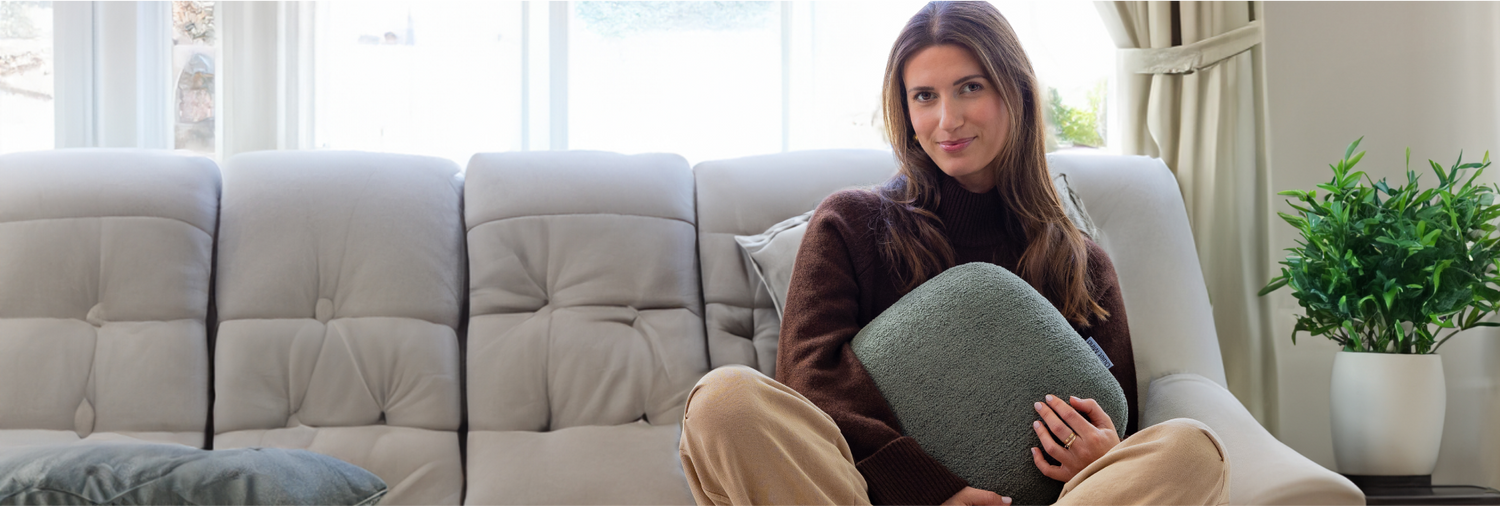
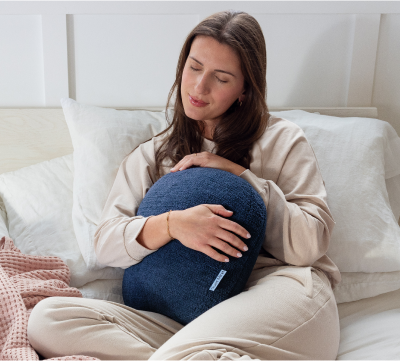
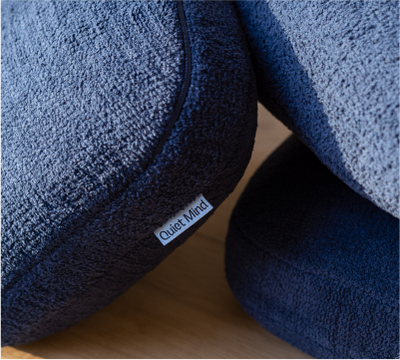
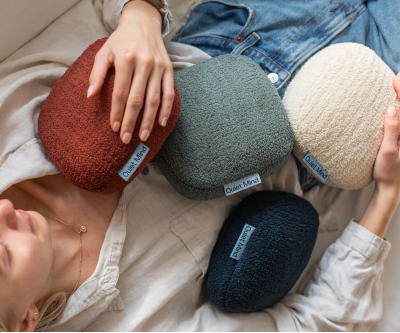
A huggable weighted option like Quiet Mind’s Original Weighted Pillow can be a practical pick for adults who want grounding pressure on the couch, at the desk, or during a daily calm-down routine.


Soft Comfort Objects for Emotional Support
Soft pillows, weighted plush toys, and familiar textiles fall into this category. They’re not childish. They’re sensory shorthand for comfort.
These tools can feel especially supportive on heavy days, during grief, big transitions, bedtime, or lonely moments when you need something warm, soft, and uncomplicated nearby.
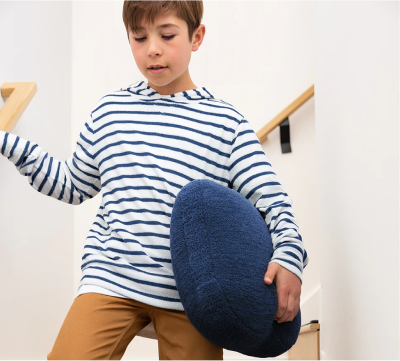
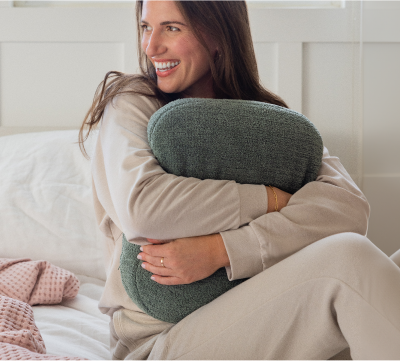
For adults who want softness and gentle pressure together, Quiet Mind’s Lil’ Hugsters can offer that cozy, holdable kind of support.
Visual Tools for Gentle Focus
Liquid timers, sensory bottles, slow-moving desk objects, dimmable lights, and calming visual patterns can give the eyes something gentle to follow between tasks.
They can be helpful for screen fatigue, work breaks, calming corners, or transition moments when your brain needs a softer landing before the next thing.
Watch Out: Bright, fast, or busy visual tools can be too much for some people. Calm should not feel like a tiny desk rave.
Sound Tools for Overstimulation
Noise-reducing headphones, earplugs, white-noise machines, brown-noise machines, soft playlists, and rhythmic sounds support the nervous system by reducing input.
These are often helpful in open offices, crowded homes, public transit, noisy neighbourhoods, or sleep environments where your brain hears every single thing and files a complaint.
Movement Tools for Adults Who Cannot Sit Still First
Resistance bands, wobble cushions, balance boards, walking pads, rocking chairs, and gentle stretching tools can all count as adult sensory tools when they help the body organize itself.
These are best for stress that shows up as restlessness, agitation, leg bouncing, shoulder tension, or that “I cannot sit still, but I also have to sit still” feeling.
The best sensory toy is not the trendiest one. It’s the one your body will actually use when it needs support.
Sensory Toys for Work, Travel, and Public Places
For most adults, the question is not “Do I need sensory support?” It is “Can I use this without everyone noticing?” Very fair. Nobody wants their calming tool to become the main character in a budget meeting.
For work and public places, look for sensory toys that are quiet, clean, small, and low-visual. Silent fidget rings, smooth stones, compact squeeze tools, textured keychains, earplugs, and soft eye masks all travel well.
Quiet Mind’s Mini Squeeze is especially useful here as a small, hands-on weighted option for moments when your hands need something steady, but your environment needs you to keep it subtle.
Sensory Toys for Bedtime and Wind-Down

Sensory needs often get louder at night. The room gets quiet, the distractions disappear, and suddenly your brain decides it is time to review every email, awkward pause, and life choice. Charming.
Good bedtime sensory tools give your body a predictable cue that the day is ending. A weighted pillow, a weighted body pillow, a weighted plush toy, a sleep mask, a soft blanket, or calming audio can all help create that shift from “still on” to “starting to settle.”
The trick is consistency: the same lighting, the same tool, the same slow breath, and the same cozy little ritual your body can learn.
For adults who want more full-body comfort, Quiet Mind’s Weighted Body Pillow can be a helpful option for side-sleeping, bedtime grounding, or winding down with steady pressure before sleep.
Sensory Toys for Stress, Anxiety, ADHD, and Autism
Different nervous systems ask for different kinds of support. That’s your body being oddly specific, as bodies love to be.
-
For stress, sensory toys may help interrupt the spiral and give your body a grounding cue.
-
For anxiety, they may support self-soothing in the moment, though they are not a replacement for professional care.
-
For ADHD, quiet fidgets can give restless energy somewhere to go, but the wrong one can become a distraction in itself.
-
For autistic adults, sensory tools may help meet sensory needs, reduce overload, or add predictability to the day.
The key is preference. Some people want pressure, some want texture, some want movement, some want silence, while some want less input, not more.
When Sensory Toys Can Backfire
Not every sensory toy is a good match. A tool should make the moment easier. It should not give you a new tiny problem to manage.
It may not be the right fit if it is:
-
Too noisy and starts bothering you or everyone nearby.
-
Too visually busy and pulls your attention away from the task.
-
Too sticky or textured, and becomes irritating instead of soothing.
-
Too heavy and feels restrictive rather than grounding.
-
Too noticeable, and makes you self-conscious in public.
-
Too novelty-driven, and gets abandoned after one enthusiastic afternoon.
A good sensory tool should feel easy to reach for, easy to use, and easy to keep in your routine. The best one is not the trendiest. It is the one your body actually says yes to.
How to Choose the Right Sensory Toy for You
Match the tool to the moment. Start with the sensation you already reach for naturally.
-
Racing Thoughts: Weighted plush, worry stone, breathing card
-
Restless Hands: Squeeze tool, putty, ring, slider
-
Overstimulation: Headphones, weighted pillow, low-light tool
-
Bedtime Stress: Weighted pillow, body pillow, sleep mask
-
Emotional Comfort: Weighted plush toys or soft comfort object
-
Work Focus: Silent, discreet fidget
Then run it through three simple filters.
-
Where will you use it? Home, desk, travel, bedtime, or public places.
-
What sensation feels good? Soft, firm, smooth, stretchy, cool, heavy, or quiet.
-
Will you actually reach for it? The best tool is the one that fits your real routine, not your imaginary perfectly organized wellness era.
If you are not sure where to start, choose the smallest version of the input you want. A little texture, a little pressure, a little quiet. You can always build from there.
FAQs
Are sensory toys only for kids?
No. Many adults use sensory toys to support focus, comfort, stress regulation, and self-soothing.
Do sensory toys actually help adults?
They may help some adults by offering grounding input, but benefits depend on the person, the tool, and the situation.
What are the best sensory toys for adults at work?
Quiet, discreet tools tend to work best. Fidget rings, worry stones, smooth sliders, and compact weighted squeeze tools are good starting points.
Are weighted plush toys good for adults?
Weighted plush toys may be helpful for adults who want soft comfort and grounding pressure together.
Can sensory toys replace therapy or medication?
No. Sensory toys are supportive wellness products, not substitutes for professional mental health care.
Find the Sensory Tool That Feels Like Yours
Grown-up sensory toys are not about being childish. They are about giving your body a simple way to feel more grounded, focused, or comforted when life gets loud.
Maybe that looks like something to squeeze during a stressful workday. Maybe it is steady weight at bedtime. Maybe it is softness, quiet, movement, or one small object that helps your hands stop freelancing through the entire room.
The right sensory tool is not the one everyone is talking about. It is the one you actually reach for when you need a reset.
For adults drawn to huggable weight, Quiet Mind offers sensory-comfort tools such as the Mini Squeeze, Original Weighted Pillow, Weighted Body Pillow, and Lil’ Hugsters.
Explore Quiet Mind Sensory Toys for soft, steady comfort that fits your calm-down routine.