



The sensory tools market isn't niche anymore. Seventy-two percent of therapists now recommend fidget toys, and the ADHD productivity tools sector is projected to grow from $2.4 billion in 2025 to $7.55 billion by 2033, a compound annual growth rate of 15.39%. This isn't experimental wellness. It's mainstream clinical practice backed by measurable outcomes.
The clinical need is undeniable: 95.8% of children with autism spectrum disorder have sensory processing deficits, and 46-69% of children with ADHD exhibit sensory over-responsivity.
Yet most guides treat sensory tools as interchangeable, listing products without explaining which sensory profiles they serve. The reality is more precise. Sensory tools for stress relief are clinically proven to reduce anxiety and improve focus. Effectiveness depends on matching the tool type (tactile, auditory, visual, weighted, or multimodal) to your unique sensory profile rather than following trends. With 72% of therapists recommending these interventions and practitioners reporting a 78% success rate when tools are properly matched, the evidence is clear: personalized sensory intervention works. Generic recommendations don't.
This guide organizes sensory tools by category, explains the neurological mechanism each addresses, and provides clinical context for choosing based on whether you're managing ADHD focus challenges, autism-related overstimulation, anxiety, or sensory processing differences. The goal isn't to find the "best" tool. It's to find your tool.
Why Sensory Tools Work: The Science Behind Stress Relief
The Neurological Mechanism
Sensory tools aren't distractions. They're interventions that activate specific neural pathways to release dopamine and norepinephrine, the neurotransmitters that regulate attention, emotional control, and stress response. This mechanism directly addresses the neurochemical deficits common in ADHD and anxiety disorders, where baseline dopamine levels are lower and stress reactivity is heightened.
When you squeeze a stress ball, spin a fidget ring, or wrap yourself in a weighted blanket, you're delivering organized sensory input to a nervous system. That system is either under-stimulated (ADHD, sensory seeking) or overwhelmed (anxiety, sensory avoidance). The brain responds by:
-
Releasing dopamine and norepinephrine to boost focus and alertness
-
Activating the parasympathetic nervous system to lower cortisol and heart rate
-
Redirecting attention from internal anxiety loops to external, manageable stimuli
"Sensory toys help by bringing us back to the present to decide what is actually happening, so that you can determine what to do next." — Aisha R. Shabazz, Licensed Clinical Social Worker
This is why the 5-4-3-2-1 grounding method (identify 5 things you see, 4 you touch, 3 you hear, 2 you smell, 1 you taste) relies on sensory engagement. It interrupts anxiety spirals by anchoring attention to immediate, physical reality.
Clinical Adoption Rates
Seventy-eight percent of practitioners report improved outcomes when clients use sensory tools. This isn't placebo. It's measurable behavioral change: reduced meltdowns, improved task completion, longer attention spans, faster emotional regulation after stressors.
The catch? Effectiveness varies by tool type and individual sensory profile. A weighted blanket that calms one person can feel suffocating to another. A fidget cube that helps focus can distract someone else. This is why category-based selection matters, and why the rest of this guide is organized by sensory modality rather than popularity.
Tactile Tools: For Fidgeters and Focus Seekers
How Tactile Input Regulates the Nervous System
Tactile tools provide repetitive motions that help the brain self-regulate. When your hands are engaged in predictable, low-stakes movement (squeezing, clicking, molding, spinning), your prefrontal cortex can redirect resources from managing restlessness to maintaining focus. This is particularly effective for ADHD, where the brain craves stimulation to maintain attention, and for anxiety disorders, where repetitive motion provides a physical outlet for nervous energy.
Occupational therapists distinguish between sensory seekers (who need more tactile input to feel regulated) and sensory avoiders (who are easily overwhelmed by texture or pressure). Tactile tools work best when matched to this profile. A sensory seeker benefits from firm, textured fidgets like therapy putty or stress balls. A sensory avoider does better with smooth, gentle options like silk-lined fidget stones or soft kinetic sand.
"Kinetic sand enables constant, calming, repetitive hand movements that center a stressed mind." — Janika Joyner, Licensed Clinical Social Worker
Top Tactile Tools by Use Case
|
Tool Type |
Best For |
Sensory Profile |
Example Use Case |
|---|---|---|---|
|
Fidget Cubes |
ADHD focus during meetings or lectures |
Sensory seeker |
Click, roll, and spin sides provide varied tactile input without noise |
|
Stress Balls |
Anxiety release, hand strengthening |
Sensory seeker |
Squeeze during phone calls or after stressful conversations |
|
Kinetic Sand |
Calming repetitive motion, mindfulness |
Either profile (adjustable pressure) |
Mold and shape during breaks to reset attention |
|
Fidget Rings/Spinner Rings |
Discrete regulation in professional settings |
Sensory seeker |
Spin during presentations or classroom lectures |
|
Textured Worry Stones |
Gentle grounding for anxiety |
Sensory avoider |
Rub smooth or ridged surfaces during overwhelm |
|
Therapy Putty |
Hand strengthening, sustained focus |
Sensory seeker |
Stretch and pull during video calls or reading |
Discrete options like fidget rings and spinner rings allow regulation in professional and classroom settings without drawing attention. Unlike larger fidgets that can signal distraction, wearable tactile tools integrate into daily routines as jewelry or accessories, making them accessible for adults who need sensory input but face workplace or social expectations around "fidgeting."
Weighted Tools: Deep Pressure for Anxiety and Sleep
The Clinical Evidence for Weighted Tools
Weighted tools have the strongest clinical backing of any sensory intervention. Weighted blankets carry Grade A evidence for improving sleep efficacy in ADHD and autism populations, the highest evidence grade available in clinical research. Weighted vests improve on-task behavior by 18-25% in children, making them valuable not just for calming but for functional performance in classroom and work settings.
The mechanism: Deep pressure stimulation activates the parasympathetic nervous system, which lowers cortisol (the stress hormone) and heart rate within 5-10 minutes. This isn't subjective relaxation. It's a measurable physiological shift. The pressure triggers proprioceptive input, the sensory system that tells your brain where your body is in space, which has a naturally calming effect on the nervous system.
Meta-analysis data shows effect sizes of 1.35 for autism spectrum disorder and 1.06 for ADHD, meaning weighted tools produce measurable improvements in regulation, sleep quality, and attention across neurodivergent populations.
"Weighted tools should be matched to each person's unique sensory profile rather than applied universally." — Occupational therapists, PMC research review
Weighted Blankets vs. Vests vs. Lap Pads: Which to Choose
Weighted Blankets are best for sleep issues, bedtime anxiety, and full-body calming. They're the most researched weighted tool and work well for individuals who struggle with racing thoughts at night or need deep pressure to fall asleep. The standard recommendation is 10% of body weight, though some individuals prefer slightly lighter (7-8%) or heavier (12%) depending on sensory tolerance.
Weighted Vests are designed for daytime use, particularly in classroom or work settings where mobility matters. They improve focus and on-task behavior without restricting movement. Vests should be worn for 20-30 minute intervals rather than all day, as prolonged use can lead to sensory adaptation where the nervous system stops responding to the input.
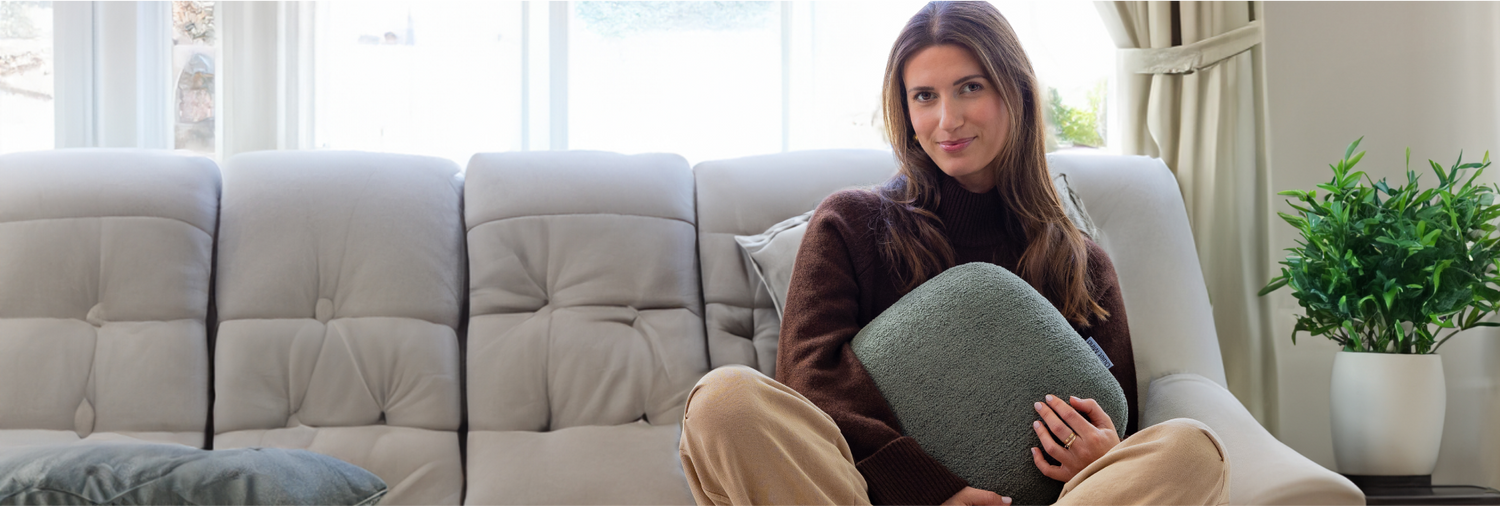
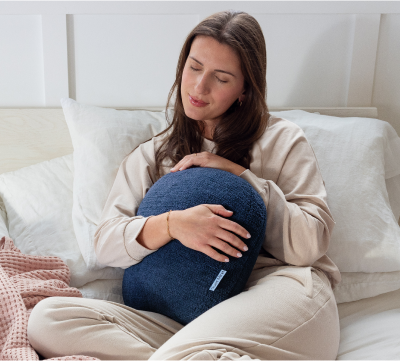
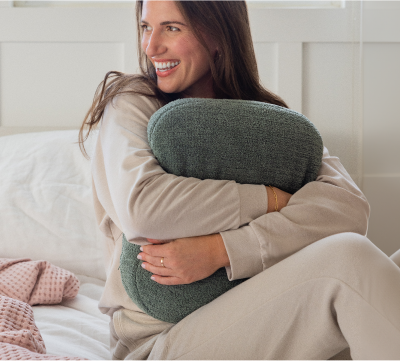
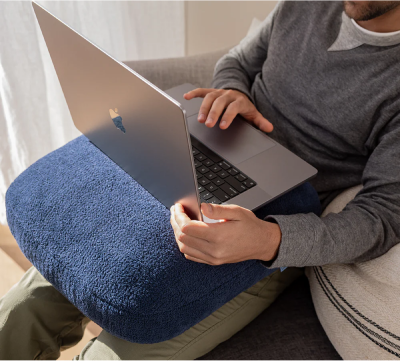
Weighted Lap Pads offer portable deep pressure for sitting activities like reading, desk work, or watching TV. They're ideal for individuals who find full blankets too restrictive but still benefit from grounding pressure. Lap pads typically range from 3-8 pounds and work well for both children and adults.
Weight Guidelines:
-
Start with 10% of body weight for blankets
-
Vests should be 5-10% of body weight, worn intermittently
-
Lap pads: 3-5 pounds for children, 5-8 pounds for adults
-
Always allow the user to remove the weighted tool independently (never restrain)
-
If the tool causes agitation rather than calm, it's too heavy or the individual may not respond well to deep pressure
Auditory Tools: Sound-Based Stress Reduction
How Sound Affects the Nervous System
Auditory stimulation affects the brain's emotional and memory-processing centers (the amygdala and hippocampus), creating mood shifts and reducing stress hormones. Unlike tactile or visual input, sound bypasses conscious processing and directly influences autonomic responses like heart rate variability and breathing patterns.
For individuals with ADHD and autism, auditory sensitivity is common. Research on sensory interventions shows an 85% reduction in overstimulation during sessions that include auditory modulation, whether through noise reduction or controlled sound therapy. This makes auditory tools critical for managing environments that trigger overwhelm: open-plan offices, classrooms, public transit, busy households.
Choosing Auditory Tools by Environment
Noise-Canceling Headphones provide immediate sensory reduction for individuals with auditory sensitivities. They're essential for autism and ADHD populations prone to overstimulation in chaotic environments. Active noise cancellation works by generating sound waves that counteract ambient noise, creating a buffer that allows the nervous system to regulate without constant auditory input. Use them during commutes, in crowded spaces, or when transitioning between high-stimulation activities.
White Noise Machines mask environmental chaos rather than eliminating it. They work by providing consistent, predictable sound that helps the brain filter out irregular, distracting noises (conversations, traffic, sudden sounds). White noise is particularly effective for focus during work or study, and for individuals who struggle with auditory processing where distinguishing between sounds is exhausting. Pink noise (lower frequency) and brown noise (even lower) offer gentler alternatives for those who find white noise harsh.
Binaural Beats and Sound Therapy use specific frequencies to entrain brainwaves into calmer states. Binaural beats play slightly different frequencies in each ear, and the brain perceives a third "beat" that can promote relaxation (theta waves, 4-8 Hz) or focus (alpha waves, 8-14 Hz). Nature sounds (rain, ocean waves, forest ambiance) provide calming auditory context without the precision of binaural beats, working well for individuals who find synthetic sounds uncomfortable.
Sound therapy apps allow customization, which matters because auditory preferences are highly individual. What calms one person (ocean waves) can agitate another (too much variation). Apps like Endel, Brain.fm, or simple YouTube playlists let users test different soundscapes to find what works for their nervous system. For practitioners, recommending app-based tools gives clients control over their auditory environment without requiring expensive equipment.
Visual Tools: Calming Through Sight
Visual Anchoring for Anxiety
Visual tools like sensory bottles, calming light projectors, and liquid timers provide mesmerizing focus points that interrupt anxiety spirals. They work by giving the mind a safe, predictable visual anchor. When your brain is caught in racing thoughts or catastrophic thinking, redirecting visual attention to slow-moving glitter, shifting colors, or falling sand creates a cognitive break. This is particularly effective for visual processors (individuals who think in images rather than words) and those whose anxiety manifests as mental hyperactivity rather than physical restlessness.
Therapists use visual tools as part of grounding exercises. A sensory bottle (glitter suspended in liquid that slowly settles) gives the mind something external to track while the nervous system downregulates. Liquid timers feature colored oil that drips through chambers. They provide a predictable visual rhythm that can pace breathing or mark the duration of a calming exercise.
Light-Based Tools for Mood and Sleep
Light Therapy Lamps regulate circadian rhythms and boost mood through full-spectrum light exposure. They're clinically recommended for seasonal affective disorder, but they also address the sleep disruption common in ADHD and autism. Many neurodivergent individuals have irregular circadian rhythms, leading to difficulty falling asleep or waking. Morning exposure to 10,000 lux light for 20-30 minutes can reset the body's internal clock, improving both sleep quality and daytime alertness.
Calming Light Projectors (aurora lights, star projectors, color-changing lamps) create soothing visual environments for bedtime routines or sensory rooms. Unlike bright overhead lighting that can feel harsh or overstimulating, these tools provide gentle, diffuse light that signals the nervous system to wind down. They're particularly useful for children and adults who struggle with the transition from wakefulness to sleep.
Blue Light Blocking Glasses reduce digital eye strain and support better sleep quality by filtering the wavelengths that suppress melatonin production. For individuals who work on screens or use devices before bed, blue light exposure delays sleep onset. Wearing blue light glasses in the evening (2-3 hours before bed) helps the brain recognize it's time to prepare for rest, complementing other sensory interventions like weighted blankets or white noise.
Multimodal Tools: The 2026 Trend Toward Combined Sensory Input
Why Multiple Senses Work Better Together
Multi-sensory play supports social skills, emotional regulation, and adaptive behavior more effectively than single-sense toys, with effect sizes of 1.22 for social skills and 1.15 for adaptive behavior. The reason is straightforward: engaging multiple senses simultaneously creates a stronger grounding effect than using single tools alone. When your tactile, auditory, and visual systems are all receiving organized input, your nervous system has more pathways to regulate through.
Effect sizes that matter: 1.22 for social skills, 1.15 for adaptive behavior, 1.35 for autism spectrum outcomes, 1.06 for ADHD outcomes.
This is why therapists are increasingly recommending tools that combine sensory modalities. A grounding fidget with an aroma diffuser delivers tactile input (the fidget motion) plus olfactory input (calming scents like lavender or eucalyptus). A textured sensory bottle combines visual (watching the glitter settle) with tactile (holding and shaking the bottle). These combinations amplify the regulatory effect because they engage the brain through multiple channels at once.
2026's Emerging Multimodal Tools
"Wireless bilateral stimulation devices are gaining prominence among mental health professionals." — Therapists, Dharma Dr 2026 report
Bilateral Stimulation Devices are the breakout tool of 2026. Inspired by EMDR (Eye Movement Desensitization and Reprocessing) therapy, these wireless devices deliver alternating tactile pulses (left-right vibrations) or auditory tones. They help regulate the nervous system during stress and anxiety. Originally used in trauma therapy, bilateral stimulation is now being adopted for everyday anxiety management and ADHD focus support. The alternating stimulation helps the brain process stress and return to baseline more quickly than single-sided input.
Tactile + Auditory Combinations are becoming standard. Grounding fidgets with built-in aroma diffusers (like the Lifelines Grounding Fidget Tool) allow users to spin or roll the device while inhaling calming scents. This dual input works particularly well during high-stress moments when one sensory channel isn't enough to interrupt the anxiety response.
Visual + Tactile Tools like weighted sensory bottles or textured light projectors combine the calming effects of watching slow movement with the grounding pressure of holding a weighted object or touching varied textures. These are especially effective for children and adults who struggle with transitions (bedtime, leaving the house, ending work) and need multi-sensory cues to shift states.
Integration with Therapeutic Strategies: Therapists emphasize that multimodal tools work best when integrated into therapeutic frameworks. These include the 5-4-3-2-1 grounding method, deep breathing exercises, or guided meditation. The tool isn't a standalone fix. It's a scaffold that makes therapeutic techniques more accessible when the nervous system is dysregulated. A bilateral stimulation device during a grounding exercise, or a weighted lap pad during breathwork, amplifies the intervention's effectiveness.
How to Choose the Right Tool for Your Sensory Profile
Sensory Seeker vs. Sensory Avoider
The most important distinction in choosing sensory tools is whether you're a sensory seeker or sensory avoider. This framework comes from occupational therapy and determines which tools will regulate your nervous system versus overwhelm it.
Sensory seekers need more input to feel regulated. Their nervous systems are under-responsive, so they crave stimulation: firm pressure, textured surfaces, loud or varied sounds, bright lights. They benefit from:
-
Tactile fidgets with strong resistance (therapy putty, textured stress balls)
-
Weighted tools (blankets, vests, lap pads)
-
High-energy activities paired with sensory input
-
Multimodal tools that engage multiple senses at once
Sensory avoiders are easily overwhelmed by input. Their nervous systems are over-responsive, so they need gentle, predictable stimulation and often benefit more from sensory reduction than addition. They benefit from:
-
Auditory reduction tools (noise-canceling headphones, white noise)
-
Gentle visual tools (soft light projectors, slow-moving sensory bottles)
-
Smooth, soft tactile tools (silk-lined worry stones, soft kinetic sand)
-
Controlled environments with minimal unpredictable stimuli
Many people fall somewhere in the middle or have different profiles depending on the day or context. You might be a sensory seeker for tactile input but a sensory avoider for auditory input. The key is testing tools across categories to identify your pattern.
Matching Tools to Conditions
ADHD profiles often need tactile + weighted for focus and regulation. The combination addresses both the need for stimulation (tactile fidgets keep hands busy) and grounding (weighted tools provide the deep pressure that helps attention settle). Start with a fidget ring or cube for daytime focus, and a weighted lap pad or blanket for evening regulation or sleep.
Autism profiles often need auditory reduction + deep pressure for overstimulation management. Noise-canceling headphones address the auditory sensitivities common in autism, while weighted blankets or vests provide the calming proprioceptive input that helps the nervous system recover after overwhelming experiences. Visual tools like sensory bottles can also support transitions between activities.
Anxiety without neurodevelopmental conditions responds well to weighted blankets, visual anchors, and auditory tools. The goal is to interrupt the anxiety spiral by engaging the senses in predictable, calming ways. A weighted blanket for bedtime anxiety, a sensory bottle for panic attacks, or white noise for racing thoughts can each address different manifestations of anxiety.
4-Step Process for Choosing Your First Tool
-
Identify your primary challenge: Focus issues, anxiety, overstimulation, or sleep disruption. This determines which sensory category to start with.
-
Assess your sensory profile: Are you seeking more input or avoiding overwhelm? This narrows the tool type within the category.
-
Start with one tool per category: Don't buy sets. Test a single tactile tool, a single weighted tool, or a single auditory tool to gauge your nervous system's response before investing broadly.
-
Give it two weeks: Sensory tools aren't instant fixes for everyone. Some nervous systems need time to recognize and respond to the input. Use the tool consistently for two weeks before deciding it doesn't work.
Conclusion: Personalization Over Popularity
The sensory tools market is growing 15% annually because the evidence works. Seventy-eight percent practitioner success rate, Grade A evidence for weighted tools, 18-25% improvement in focus with the right interventions. But those outcomes only happen when tools match sensory profiles.
Start with your primary challenge:
-
Focus issues → tactile tools (fidget rings, stress balls, kinetic sand)
-
Anxiety → weighted tools (blankets, lap pads, vests)
-
Overstimulation → auditory tools (noise-canceling headphones, white noise)
-
Racing thoughts → visual tools (sensory bottles, light projectors)
For professionals working with clients: the 78% practitioner success rate means these are evidence-based recommendations, not experimental interventions. The research backs tactile tools for ADHD focus, weighted tools for anxiety and sleep, auditory reduction for sensory overload, and multimodal tools for complex regulation needs. The key is assessment first, recommendation second. A tool that works brilliantly for one client can agitate another if their sensory profiles differ.
The best tool isn't the trending one. It's the one that addresses your specific sensory processing pattern. A $15 fidget ring that matches your need for tactile input will outperform a $200 sensory kit filled with tools your nervous system doesn't respond to. Start small, test deliberately, and build your sensory toolkit based on what actually shifts your regulation, not what's popular on social media.
Key Takeaways
-
Sensory tools are mainstream clinical practice: 72% of therapists recommend them, with 78% of practitioners reporting improved outcomes when tools are properly matched to individual sensory profiles.
-
Effectiveness depends on personalization: The best tool isn't the trending one—it's the one that matches your sensory profile (seeker vs. avoider) and primary challenge (focus, anxiety, overstimulation, or sleep).
-
Weighted tools have the strongest evidence: Grade A clinical backing for sleep and anxiety, with 18-25% improvement in on-task behavior and measurable cortisol reduction within 5-10 minutes.
-
Multimodal tools are the 2026 trend: Combining multiple senses (tactile + auditory, visual + tactile) shows effect sizes of 1.22 for social skills and 1.15 for adaptive behavior—stronger than single-sense tools.
-
Start small and test deliberately: Choose one tool per category based on your primary challenge, assess your sensory response for two weeks, then build your toolkit based on what actually shifts your regulation.