



There’s a reason you instinctively reach for a heavy blanket when the world feels like too much. Or why a long, firm hug from someone you love can quiet a racing mind in seconds. Your body already knows something that science has spent decades trying to explain.
Deep pressure stimulation (DPS) is the name for that principle—the calming effect of firm, sustained pressure on the body. It’s not a wellness trend or a marketing term. It’s a well-documented neurological response that occupational therapists have used since the 1970s, and that researchers continue to study as a promising approach to anxiety management.
If you live with anxiety—whether it’s a constant low hum or something that arrives in sharp, sudden waves—understanding how deep pressure works might change the way you think about calm.
What Happens in Your Body When Anxiety Takes Over
Before you can understand why deep pressure helps, it helps to understand what anxiety actually does to your body.
When your brain perceives a threat—real or imagined—it triggers what’s known as the stress response. Cortisol and adrenaline flood your system. Your heart rate climbs. Your muscles tighten. Your breathing gets shallow. This is your sympathetic nervous system doing exactly what it was designed to do: preparing you to fight or run.
The problem? For people with anxiety, this system fires too often—or never fully shuts off. You’re stuck in a state of alertness that your body was never meant to sustain. The symptoms can be relentless: restlessness, muscle tension, trouble sleeping, difficulty concentrating, a sense of dread that doesn’t match what’s actually happening around you.
This is where deep pressure enters the picture. Not as a replacement for professional care, but as a way to speak directly to the nervous system in a language it understands.
How Deep Pressure Resets Your Nervous System
Your autonomic nervous system has two branches that work like a seesaw:
- Sympathetic: The accelerator. Fight-or-flight. Everything speeds up.
- Parasympathetic: The brake. Rest-and-digest. Everything settles down.
Anxiety keeps your foot on the accelerator. Deep pressure helps shift the weight to the brake.
Here’s how: your skin and muscles are filled with mechanoreceptors—sensory neurons that respond to pressure. When firm, distributed pressure is applied across a large area of the body, these receptors send signals through the vagus nerve to the brainstem. The message is simple: you’re safe. You can slow down.
This triggers a cascade of changes. Heart rate decreases. Breathing deepens. Cortisol levels begin to drop. The body shifts from sympathetic dominance toward parasympathetic calm. Many people describe it as a full-body exhale—like the tension you didn’t even know you were holding finally loosens.
Deep pressure is perceived as pleasant and calming, activating brain regions similar to those that respond to social touch like hugs and gentle stroking.
The Neurochemistry: What Changes Inside
Deep pressure doesn’t just feel soothing—it changes your brain chemistry in measurable ways.
| Neurotransmitter | What It Does | How Deep Pressure Helps |
|---|---|---|
| Serotonin | Regulates mood, sleep, and emotional stability | Deep pressure may increase serotonin production, which is why weighted products often help with both anxiety and sleep |
| Dopamine | Drives motivation, focus, and feelings of reward | The boost in dopamine may explain why deep pressure helps people with ADHD feel more grounded |
| Melatonin | Signals your body that it’s time to sleep | Weighted blankets have been shown to increase pre-sleep melatonin concentrations, supporting better sleep onset |
| Cortisol | The primary stress hormone | Deep pressure can help lower cortisol levels, reducing the physical grip of anxiety |
This neurochemical shift is part of why deep pressure can feel so immediate. Unlike medication that may take weeks to build up, or therapy techniques that require months of practice, the calming effects of sustained pressure can begin within minutes.
That doesn’t make it a quick fix. It makes it a tool—one that works alongside everything else you’re doing to manage your mental health.
What the Research Actually Shows
The evidence base for deep pressure stimulation is growing. Research examining weighted blankets across various populations has found positive effects on anxiety, insomnia, and overall calmness.
What’s consistent across the research: most participants report feeling calmer, more grounded, and more ready for sleep after using weighted products. The effects appear to be strongest for people with higher baseline anxiety.
The Sleep Foundation’s evaluation of weighted blankets reflects this emerging consensus—acknowledging the enthusiasm from users.
For many people, the most compelling evidence is the first time they curl up with something heavy and feel their body finally let go.
Everyday Ways to Experience Deep Pressure
Deep pressure is all around you—you just need to know where to look.
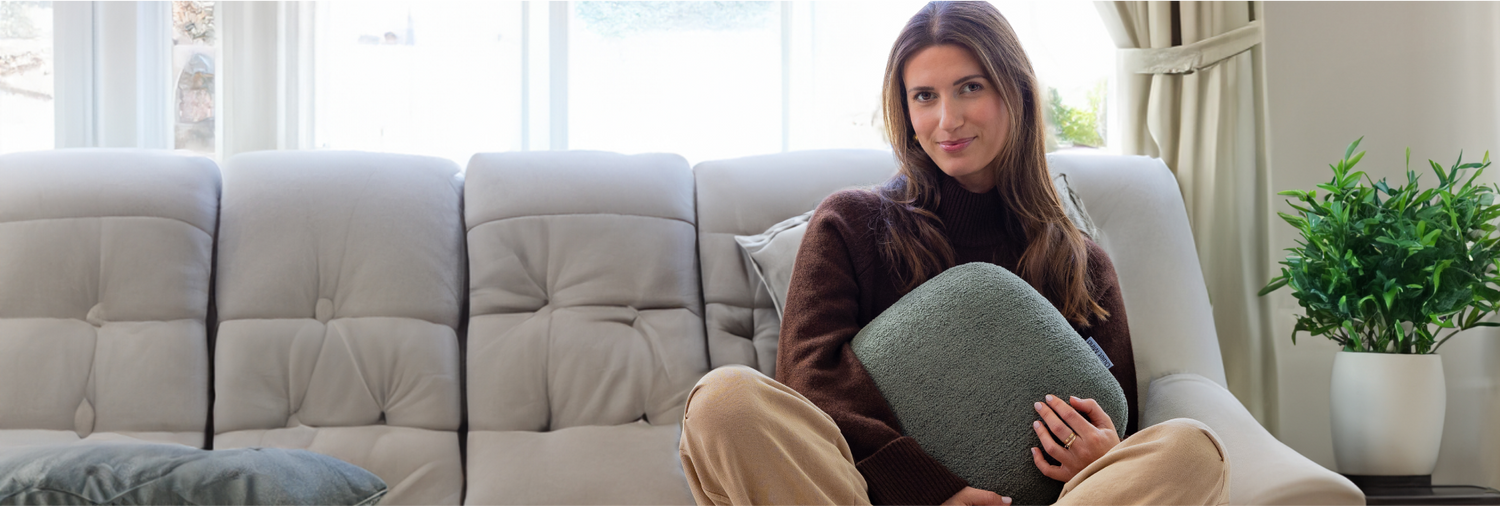
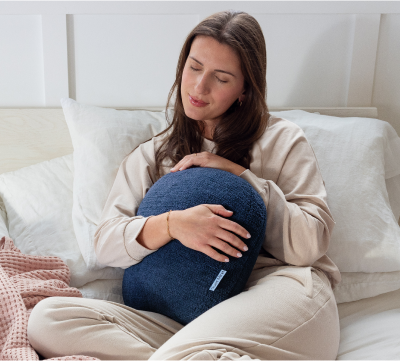
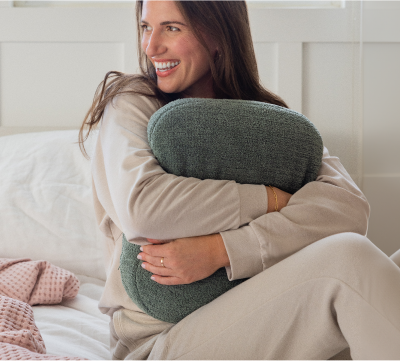
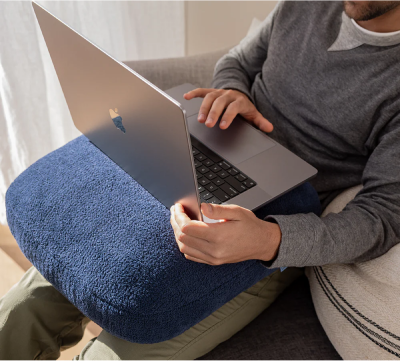
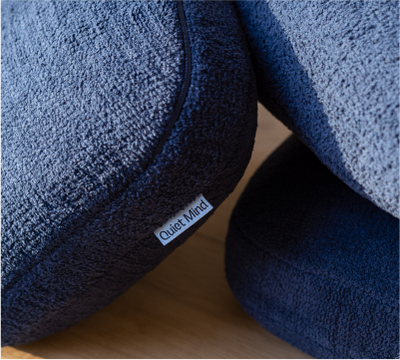
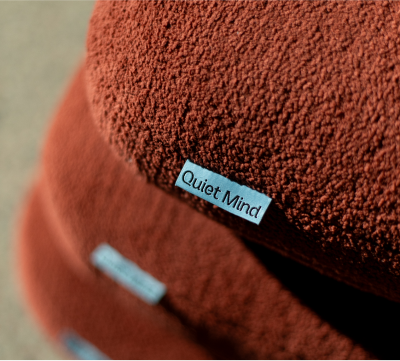
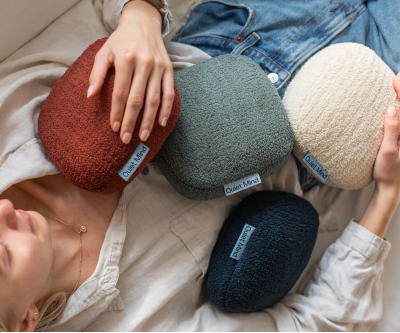
Weighted products are the most accessible and sustained form of deep pressure. Weighted pillows offer something blankets can’t: portability. You can hold one on your lap at your desk, press it against your chest on the couch, or tuck it against your body in bed. The key is even weight distribution across a large enough surface area.
Compression clothing provides constant, gentle input throughout the day. Originally developed for people with sensory processing differences, compression garments are now used by anyone seeking calming proprioceptive feedback.
Deep pressure activities like firm self-massage, wall push-ups, or rolling on a therapy ball stimulate the same mechanoreceptors. These can be helpful when you need quick relief and don’t have a weighted product nearby.
Handheld weighted tools like a Mini Squeeze deliver grounding pressure to your hands during meetings, commutes, or any moment where a blanket would feel conspicuous.
The best approach? Match the tool to the moment. Nighttime anxiety calls for something different than midday work stress. Understanding how weighted pillows work so you can use them intentionally will benefit you when picking your tool.
Who Benefits Most?
Deep pressure was originally developed for people with autism and sensory processing differences. But its reach has expanded far beyond that:
- Generalized anxiety — The background worry that never quite lets you relax
- Panic disorder — When your nervous system spikes suddenly and intensely
- PTSD — Hypervigilance and difficulty feeling safe in your own body
- Insomnia — When racing thoughts and physical tension block sleep
- ADHD — Restlessness, emotional dysregulation, and difficulty grounding
The common thread isn’t a diagnosis. It’s an overactive stress response—a nervous system that runs hotter than it needs to.
One important note: deep pressure isn’t right for everyone. If you have respiratory conditions, circulatory issues, or claustrophobia, proceed carefully. And for children or elderly individuals, always check with a healthcare provider about appropriate weight.
Building Deep Pressure Into Your Life
Deep pressure works best when it’s woven into your daily rhythm—not just grabbed in a crisis.
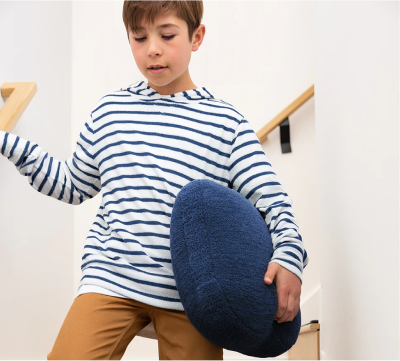
Start where anxiety hits hardest. If it’s nighttime, use a weighted blanket or pillow in bed. If it’s work hours, keep something weighted at your desk. If it’s transitions—school pickup, travel, social events—bring something portable.
Combine it with other tools. Deep pressure pairs beautifully with breathwork and other anxiety strategies. Try holding a weighted pillow while doing box breathing. Or wrap up in a blanket during a guided meditation. The compound effect can be powerful.
Be consistent. Like any relaxation practice, the benefits tend to deepen with regular use. Your nervous system learns to associate the pressure with safety, which means the calming effect can kick in faster over time.
Listen to your body. Some people crave heavy pressure from the start. Others need to ease in with lighter weights or shorter sessions. There’s no wrong way to do this—only what works for you.
The Bottom Line
Deep pressure stimulation isn’t a cure for anxiety. Nothing is. But for something so fundamentally simple—adding firm, steady weight to your body—the science shows it can meaningfully shift how your nervous system responds to stress.
It activates your parasympathetic nervous system. It shifts your neurochemistry toward calm. It gives your body a signal that words and thoughts often can’t: you are safe.
Whether you’re navigating chronic anxiety, managing stress that’s gotten louder over the years, or just looking for one more tool that actually works—deep pressure is worth trying. Your body already understands it. The research is catching up to what it’s been telling you all along.
FAQ
How quickly does deep pressure stimulation work for anxiety? Most people feel a calming effect within 5–15 minutes of applying sustained pressure. The shift from sympathetic (fight-or-flight) to parasympathetic (rest-and-digest) begins as soon as the mechanoreceptors in your skin and muscles are engaged. Over time and with consistent use, many people report the effect kicking in even faster.
Is deep pressure stimulation safe for children with anxiety? Generally, yes—but with guidance. For children, the rule of thumb is that the weighted product should be no more than 10% of their body weight. Always supervise younger children and consult with a pediatrician or occupational therapist, especially if the child has any respiratory or mobility concerns.
Can I use deep pressure stimulation alongside medication? Absolutely. Deep pressure is a complementary tool, not an either/or. Many people use weighted products alongside prescribed medication, therapy, and other strategies. It’s one piece of a broader anxiety management plan.
What’s the difference between deep pressure and light touch? Light touch activates different nerve fibers and can actually increase alertness or feel irritating for some people (especially those with sensory sensitivities). Deep pressure stimulates larger mechanoreceptors that send calming signals to the brain. Think of the difference between someone lightly running a finger down your arm versus a firm, full embrace.