




A lot of adults ask this quietly, usually while already holding one: “Is this helping me, or am I being childish?”
Let’s clear that up. Reaching for something soft when stress feels loud is not childish. It is self-soothing. Your nervous system likes familiar cues, steady textures, and things that feel safe. Very reasonable of it, honestly.
An emotional support stuffed animal is not treatment. It will not replace therapy, medication, or professional care. But it can be a genuinely helpful comfort tool for stressful evenings, restless sleep, overstimulation, lonely moments, or those “my brain has 47 tabs open” days.
Here’s a gentle look at how emotional support stuffed animals can help adults self-soothe, feel grounded, and hold big feelings without shame.
What Is an Emotional Support Stuffed Animal?
An emotional support stuffed animal is a plush comfort object you can hold, hug, or keep nearby when you want a calming cue. People use them for grounding, emotional regulation, sleep routines, stress relief, and everyday comfort.
It is not the same as an emotional support animal, which refers to a live animal and may involve legal accommodations. A stuffed animal has no legal status. It is simply one of many wellness products people use to feel more settled.
And no, it does not have to be from childhood. Any plush, including a weighted stuffed animal or weighted plush, can serve this role if it helps your body feel calmer.
So, Is It Actually Good for Your Mental Health?
For some people, yes, as long as it is part of a bigger coping routine. An emotional support stuffed animal can give you sensory comfort, a steady focus point, a quiet sense of companionship, and a non-digital way to reset when everything feels a little too much.
What it cannot do is diagnose, treat, or cure a mental health condition. It will not replace therapy, medication, or professional care. But used with realistic expectations, it can help your body feel safer, calmer, and more grounded. That still counts.
Why a Stuffed Animal Can Feel So Comforting
The comfort comes from touch, predictability, and giving your body something simple to respond to when your brain is doing jazz hands in the background.
It Gives Your Hands and Body Something Safe to Do
When your mind is racing, your body often wants somewhere to put the extra energy. Holding, squeezing, or stroking a plush can turn that restless feeling into a small, manageable action.
That can matter during a hard conversation, an overstimulating workday, a restless night, or a therapy session where sitting still feels like a full-time job. Something soft to hold gives your body a safe anchor.
It Can Create a Sense of Familiarity
Stress, grief, travel, transitions, and lonely nights can make everything feel less steady. A familiar plush gives your body one consistent cue: this is here, this is safe, this is yours.
Good wellness products work this way too. They do not erase the problem. They help you feel supported while you move through it.
It Can Make Self-Soothing Feel Less Abstract
“Just calm down” is famously unhelpful. Your nervous system needs something to do.
A weighted stuffed animal makes self-soothing more concrete.
-
Hold it.
-
Notice the texture.
-
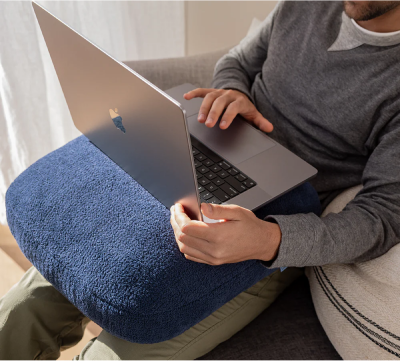
Rest it on your lap.
-
Breathe slowly.
The plush becomes the action, not just the idea.
It Can Offer Comfort Without a Screen
Scrolling can feel soothing, but it often keeps your brain lit up. A stuffed animal offers low-tech comfort instead. A weighted plush can fit into a bedtime, journaling, or reset routine without feeding the late-night spiral.
Small comfort cues may not fix everything, but they can make hard moments feel a little less lonely and a little more manageable.
Why Weighted Stuffed Animals May Feel Different

Weighted stuffed animals for anxiety offer one extra thing a regular plush does not: gentle pressure. That steady contact is often called deep pressure stimulation, which is basically the “grounding hug” feeling your body can recognize.
Most research looks at weighted blankets and therapeutic tools, not weighted stuffed animals specifically, so we will not pretend the science is bigger than it is. Still, the idea makes sense. Softness helps you feel comforted, while weight gives your body a clearer cue for calming.
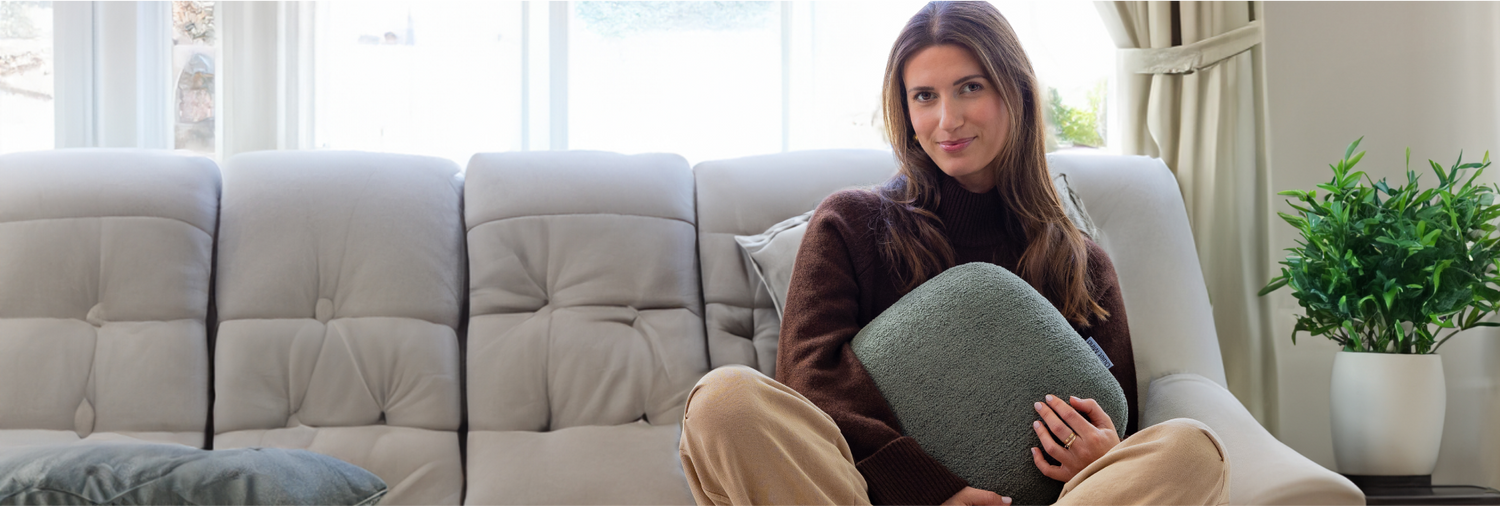
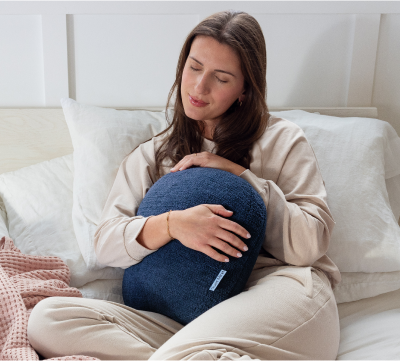
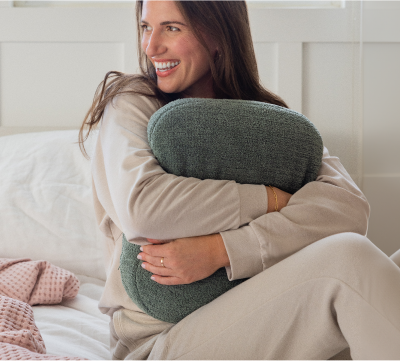
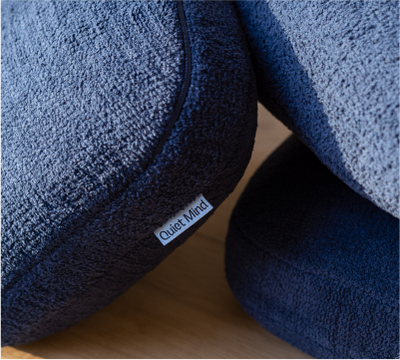
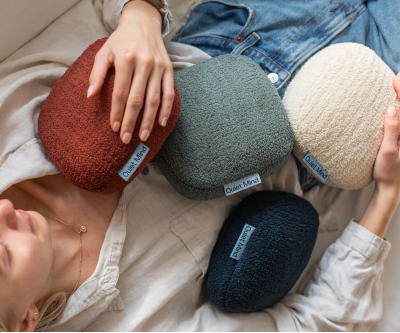
A weighted stuffed animal can also feel easier than a blanket. It is smaller, cooler, portable, and simple to rest on your lap, chest, or beside you. For that kind of everyday comfort, Quiet Mind’s Lil’ Hugsters are a cozy place to start.


Who Might Benefit From an Emotional Support Stuffed Animal?
A weighted plush may be a good fit for:
-
Adults who feel anxious, overstimulated, lonely, or restless at the end of the day
-
People who already hug pillows, blankets, or plushies to sleep
-
Neurodivergent people who respond well to tactile or weighted sensory input
-
Parents looking for a calming object for children old enough to use it safely
-
People building a non-digital wind-down routine
-
Anyone moving through a transition, like grief, school stress, work burnout, travel, or therapy
If your body relaxes faster when it has something soft, steady, and familiar nearby, an emotional support stuffed animal may be more useful than you think.
When an Emotional Support Stuffed Animal Might Not Be Enough
Comfort tools can help, but they are not substitutes for professional care. A mental health professional is the better next step if you are dealing with:
-
Panic attacks that interfere with daily life
-
Persistent depression or hopelessness
-
Thoughts of self-harm or harming others
-
Trauma symptoms that feel unmanageable
-
Anxiety that keeps escalating despite coping strategies
Needing more support does not mean your comfort tool failed. It means you deserve more care around the hard thing.
Could You Become Too Dependent on It?
It is a fair question, and the honest answer is: sometimes, but not automatically. Self-soothing with a plush becomes a concern only when it starts to limit your life rather than support it.
Healthy use can help you sleep, focus, or feel grounded, and you can still function without it when needed.
Watch for signs like intense distress when it is not nearby, avoiding professional support because of it, or feeling unable to cope without it.
The sweet spot is using it as one tool in your comfort kit, alongside breathing, movement, journaling, bedtime routines, or talking to someone you trust.
FAQs
Is it normal for adults to have an emotional support stuffed animal?
Yes. Many adults use comfort objects for sleep, stress, grief, anxiety, or emotional reassurance. It is more common than people admit because, apparently, adulthood comes with bills and a nervous system.
Can an emotional support stuffed animal help anxiety?
It may help some people feel calmer in the moment by giving the body something steady to hold on to. It is not a cure or a replacement for mental health care.
Are weighted stuffed animals better than regular stuffed animals?
Not always. A regular plush offers softness and familiarity. A weighted stuffed animal adds gentle grounding pressure. The better choice is the one your body actually responds to.
Can kids use weighted stuffed animals?
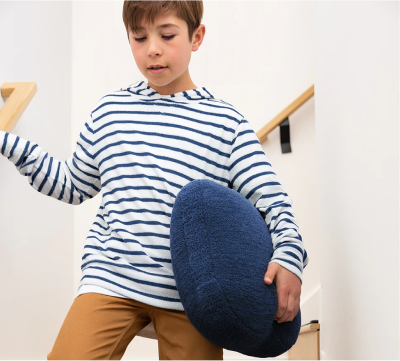
Older children may use an age-appropriate weighted plush with adult guidance. Infants should not sleep with weighted items.
What is the best way to use a weighted plush for self-soothing?
Rest it on your lap or chest, notice the texture and weight, and pair it with slow breathing, journaling, or a calming routine. Repetition helps the cue feel familiar.
Find a Calmer Way to Hold Big Feelings With Quiet Mind

An emotional support stuffed animal is not a treatment plan in plush form. It is simpler than that, and that is the point. Touch, weight, familiarity, and routine can give your nervous system a small, steady cue when big feelings start taking up the whole room.
For anyone who wants a weighted plush made for everyday comfort, Quiet Mind’s Lil’ Hugsters offer a huggable way to bring that grounded feeling into bedtime, focus time, travel, or hard days.
Meet Quiet Mind's Lil' Hugsters, a softer way to hold big feelings when your day feels heavy.