




Are you or a loved one struggling with the overwhelming symptoms of ADHD? Many people find traditional methods inadequate, but weighted products can provide effective relief. This article will compare weighted pillows and blankets, revealing how these tools can support sensory regulation and enhance focus. In fact, studies show that 63% of individuals with ADHD experience reduced anxiety when using weighted products.
Introduction to Weighted Products for ADHD
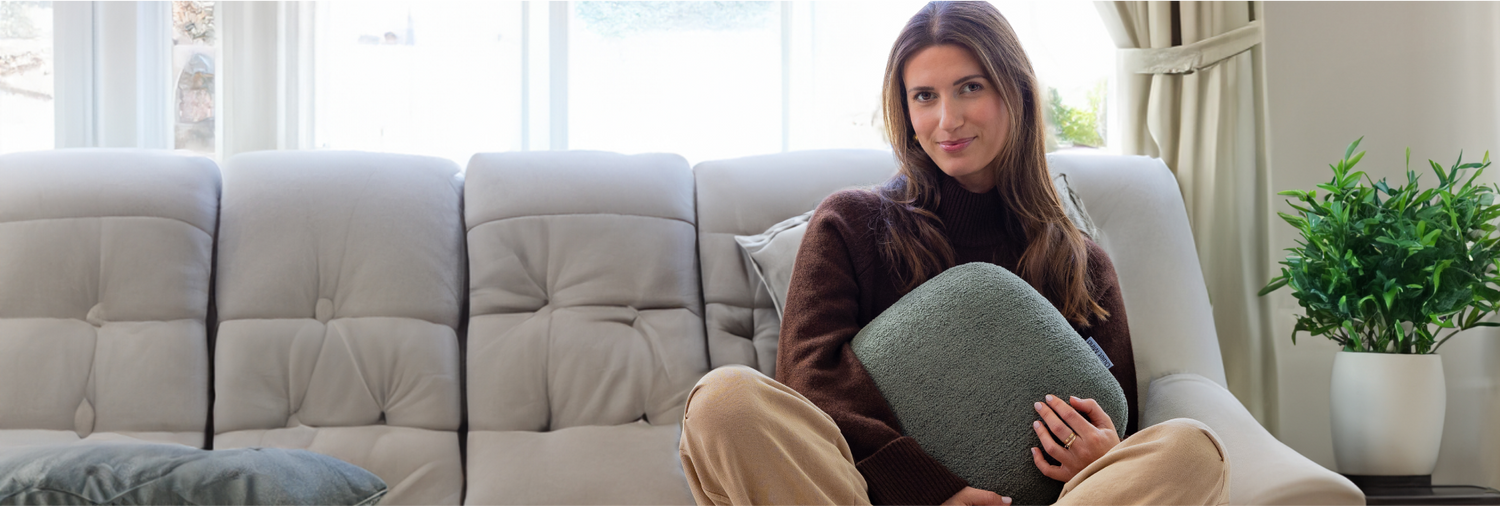
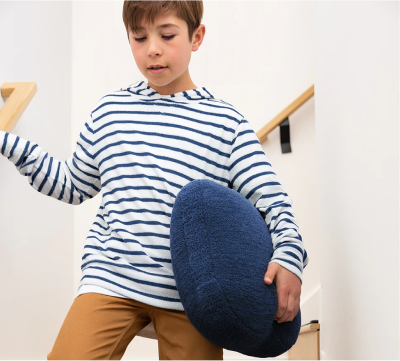
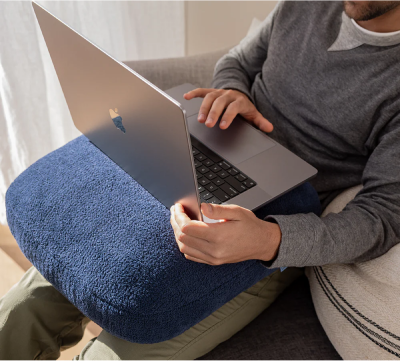
Weighted products, such as pillows and blankets, are increasingly recognized for their benefits in managing symptoms of ADHD. These items provide deep pressure stimulation, which can help in calming the nervous system and promoting a sense of security. While weighted blankets have gained popularity, weighted pillows offer a more portable and versatile option. They can be easily incorporated into daily routines, whether at home or in a school setting, making them especially beneficial for children and adults with ADHD.
As of 2011, ADHD was diagnosed in 11% of children aged 4-17 in the U.S., totaling approximately 6.4 million children (Mosaic Weighted Blankets - 2024-07-12). This statistic underscores the significance of finding effective tools for managing ADHD symptoms. Weighted pillows can be a practical solution, offering the same calming benefits as weighted blankets but with added convenience. They can be used during various activities, such as reading or studying, enhancing focus and reducing anxiety. By integrating weighted pillows into their routine, individuals with ADHD may experience improved concentration and emotional regulation, making them an appealing alternative to traditional weighted blankets.
Understanding Weighted Pillows
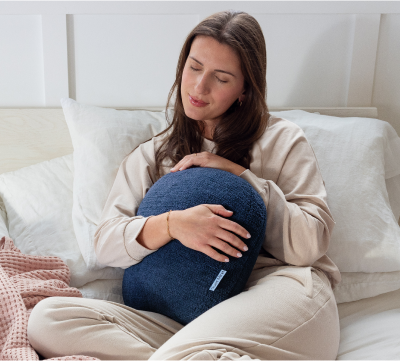
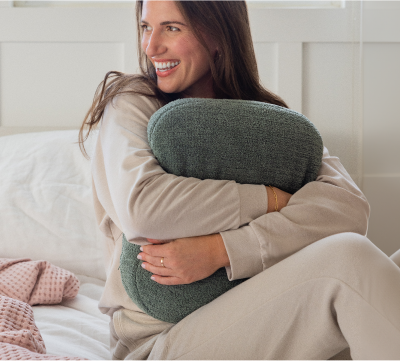
Weighted pillows and blankets both offer deep pressure stimulation, which can help alleviate symptoms of ADHD. However, weighted pillows provide unique advantages. They are portable and versatile, making them easier to use in various settings, such as at home, school, or on the go. This portability can be particularly beneficial for children and adults who need calming support throughout their day.
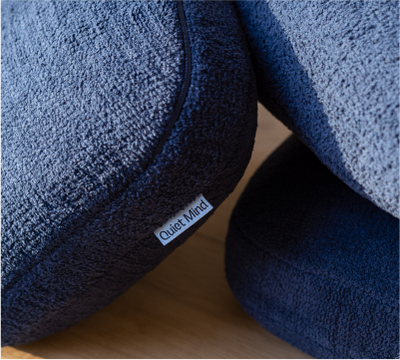
The founder of Quiet Mind, Mikey Goldman, created the first weighted pillow after finding weighted blankets beneficial but difficult to move around. He designed the pillow to be a portable, huggable, and all-natural alternative for individuals dealing with stress, anxiety, ADHD, or autism. (Sleep and Success)
Understanding Weighted Blankets
Weighted pillows and blankets both serve to alleviate symptoms of ADHD, but they differ significantly in their application and practicality. Weighted blankets are typically larger and designed for use during sleep, providing a calming effect through deep pressure stimulation. This can help improve sleep quality and reduce anxiety, which is crucial for individuals with ADHD. However, their bulkiness can make them less versatile for daily use.
On the other hand, weighted pillows offer a portable alternative that can be used in various settings, such as at home, in classrooms, or during travel. Their smaller size makes them easier to incorporate into everyday activities, allowing individuals to benefit from the calming effects throughout the day. This flexibility is particularly beneficial for children and adults who may need a quick way to manage anxiety or restlessness in different environments.
Research indicates that the calming effects of weighted products can lead to improvements in sleep and relaxation for both children and adults with ADHD and/or ASD. A 2021 retrospective study found significant benefits from using weighted blankets, suggesting that the same principles apply to weighted pillows as well, making them a valuable tool in managing ADHD symptoms (NCBI, 2021). The choice between a weighted pillow and a blanket ultimately depends on individual lifestyle needs and preferences, but both can be effective in promoting a sense of security and calm.
Comparing Weighted Pillows and Blankets for ADHD
When considering tools for managing ADHD symptoms, both weighted pillows and blankets offer unique benefits. Weighted blankets have become popular for their ability to provide full-body pressure, which can help with anxiety and restfulness. However, weighted pillows present a more versatile alternative. They deliver targeted pressure that can be beneficial for specific areas, making them easier to use in various settings, such as classrooms or offices.
Portability is a significant advantage of weighted pillows; they are lightweight and easy to carry, allowing users to incorporate them into daily routines seamlessly. In contrast, weighted blankets tend to be bulkier and are generally intended for stationary use at home. This distinction makes pillows a more practical choice for those who need calming support throughout their day.
In summary, while both products serve a similar purpose in providing comfort and relief, the choice between a weighted pillow and a blanket will depend on individual needs and lifestyles. Understanding these differences can help in selecting the most suitable option for managing ADHD symptoms effectively.
Sensory Benefits
Weighted pillows can provide targeted sensory benefits that are particularly useful for individuals with ADHD. Unlike weighted blankets, which offer full-body pressure, pillows focus on specific areas, making them more effective for localized calming. This can be especially helpful during stressful situations, such as in classrooms or at work, where a quick, discreet option is needed.
"Deep pressure input can be very calming and grounding for children who feel overwhelmed. Occupational Therapists might incorporate proprioceptive activities into everyday routines, such as suggesting deep pressure hugs or heavy work tasks like carrying groceries." - N/A (The OT Centre)
The portability of weighted pillows allows users to easily integrate them into their daily routines, enhancing their ability to manage anxiety and sensory overload effectively.
Portability and Convenience
Weighted pillows stand out for their portability and convenience, making them ideal for daily use. Unlike bulky weighted blankets, these pillows are lightweight and easy to transport, fitting seamlessly into various environments like schools or offices. This adaptability allows users to enjoy calming pressure wherever they are, enhancing their ability to manage ADHD symptoms effectively.
"One of the things I really like about the weighted pillow is how manageable it is, compared to a weighted blanket. Even with my kids being older, they still struggled to haul their weighted blankets around the house. The weighted pillow weighs the same and is so much easier to move from one place to another." - N/A (The Autism Dad)
Design and Aesthetics
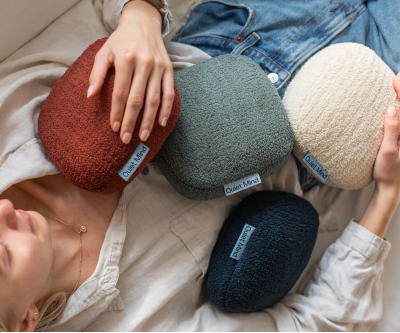
Weighted pillows not only provide targeted pressure but also cater to diverse design preferences. While weighted blankets often come in playful patterns for kids, weighted pillows for adults are available in more subdued, stylish designs. This aesthetic versatility allows users to incorporate them seamlessly into various environments, from home to workplace, enhancing their functionality as calming tools.
How Weighted Products Work for ADHD
Weighted products like pillows and blankets leverage deep pressure stimulation (DPS) to support individuals with ADHD. DPS involves applying firm but gentle pressure to the body, which activates the proprioceptive system, enhancing body awareness. This pressure helps switch the body from the sympathetic nervous system, responsible for the fight-or-flight response, to the parasympathetic nervous system, which promotes rest and relaxation.
As a result, the process triggers the release of neurotransmitters such as serotonin and dopamine, known for their calming effects and ability to improve mood and focus. The grounding sensation provided by deep pressure can significantly reduce hyperactivity, impulsivity, and restlessness commonly associated with ADHD. By incorporating weighted pillows into daily routines, individuals can experience these benefits in a portable format, making them suitable for both home and school environments. This adaptability can lead to improved concentration and emotional regulation in various settings, ultimately enhancing the quality of life for those managing ADHD symptoms.
Approximately 11% of children aged 4-17 in the U.S. are diagnosed with ADHD, highlighting the need for effective management tools (Mosaic Weighted Blankets).
Best Practices for Using Weighted Products
Using weighted products effectively requires careful consideration and best practices. Consulting with an occupational therapist is essential to determine the appropriate weight, type of item, and duration of use. A general guideline suggests that the weight should be 5-10% of the user's body weight for vests and lap pads, and about 10% for blankets.
Introduce weighted items gradually to allow the user to acclimate to the sensory input. It's also advisable to use these items for specific, limited periods—around 20-30 minutes for vests—with breaks to prevent habituation. Finally, ensure that the user can remove the weighted product independently, promoting autonomy and comfort. These practices can enhance the calming effects of weighted products, especially for those with ADHD.
Common Mistakes to Avoid with Weighted Products
Using weighted products effectively requires awareness of common mistakes that can undermine their benefits.
-
Choosing a product that is too heavy can feel restrictive, while one that is too light may not provide the necessary therapeutic pressure.
-
It's crucial to remember that these products are not a 'magic cure' for ADHD; they serve as one tool among many for symptom management.
-
Individual preferences matter; some users may feel claustrophobic or dislike the sensation of weight.
-
Avoid using weighted blankets that cover the head or neck due to safety risks.
-
Lastly, always supervise children, especially those with respiratory or cardiac issues, when using weighted products.
For more comprehensive approaches to managing ADHD symptoms, explore these 10 strategies for managing ADHD without medication.
Conclusion: Choosing the Right Weighted Product for ADHD
Choosing the right weighted product for managing ADHD can significantly impact daily functioning. Weighted pillows and blankets both offer calming benefits through deep pressure stimulation, but they cater to different needs. Weighted blankets provide comprehensive coverage and may help with sleep, while weighted pillows are more portable and versatile, making them ideal for use in various settings like classrooms or while traveling.
Research indicates that while weighted blankets can reduce anxiety, more evidence is needed to confirm their effectiveness for conditions like ADHD specifically. A systematic review from 2020 highlighted that although these products may be beneficial, further studies are necessary to fully understand their impact on various mental health symptoms (ResearchGate - 2024-07-12).
Ultimately, the choice between a weighted pillow or blanket should consider individual preferences, lifestyle, and specific symptom management needs. Ready to experience the benefits? Check out our Original Weighted Pillow designed specifically for ADHD management.
Frequently Asked Questions
What is the ideal weight for a weighted pillow for ADHD?
The recommended weight for a weighted pillow is typically about 10% of the user's body weight. This ensures effective deep pressure stimulation without feeling overly restrictive.
How can I incorporate a weighted pillow into a school routine for my child with ADHD?
Weighted pillows can be used during reading, studying, or quiet time in class. They provide immediate calming effects, helping to improve focus and reduce anxiety in potentially overwhelming environments.
Are there any age restrictions for using weighted pillows?
While weighted pillows can benefit individuals of all ages, it's essential to consult with a healthcare professional for children under 2 years old. Always ensure they can safely remove the pillow independently to avoid any safety risks.
How often should weighted pillows be used for best results?
For optimal benefits, weighted pillows should be used for about 20-30 minutes at a time, with breaks in between. This allows users to acclimate to the sensory input without becoming overwhelmed.
Can weighted pillows help with sleep, similar to weighted blankets?
While weighted pillows are primarily designed for daytime use and targeted pressure, they can still promote relaxation and improve sleep quality when used in a calming bedtime routine. However, blankets are generally more effective for full-body relaxation during sleep.