



Complete Guide to Effective Sensory Tools for Stress Relief
Feeling crushed by daily stress in Phoenix's relentless heat and hustle? Racing thoughts and tension disrupt your focus and sleep, leaving you drained. This complete guide reveals top sensory tools like weighted pillows that science shows can cut anxiety by up to 63%, plus how to choose and use them for instant calm.
Introduction to Sensory Tools for Stress Relief
As we navigate through 2026, stress levels have reached unprecedented heights across America. According to the American Psychological Association's latest 2025-2026 stress statistics, 84% of adults report experiencing at least one emotion associated with prolonged stress in the past two weeks. The search for drug-free, immediate relief has led to a remarkable surge in popularity for effective sensory tools for stress relief.
While these tools were once associated primarily with childhood development and special needs, groundbreaking research now shows they are essential for adult mental health maintenance. The global wellness industry has embraced what occupational therapists have known for decades: our nervous systems crave sensory input to regulate emotions and achieve calm.
Sensory tools work by grounding you in the present moment through targeted sensory input. Whether it's the therapeutic weight of a pillow providing deep pressure stimulation or the repetitive texture of a stress ball engaging your tactile system, these items interrupt the body's stress response cycle. They offer a physical anchor when your mind feels like it's racing through worst-case scenarios or spiraling into anxiety.
This comprehensive guide explores the most effective sensory tools available today, focusing on science-backed solutions that seamlessly integrate into a professional lifestyle without looking out of place. We'll dive deep into the neuroscience behind why these tools work, how to select the perfect options for your specific needs, and proven strategies for maximizing their stress-relieving benefits.
What Are Sensory Tools for Stress Relief?
Sensory tools are carefully designed physical objects that engage one or more of your five senses—touch, sight, sound, smell, and proprioception (body awareness)—to help regulate emotions, improve concentration, and restore nervous system balance. Think of them as sophisticated "hacks" for your autonomic nervous system, providing controlled sensory input that shifts your brain from high alert to calm focus.
The science behind sensory tools lies in sensory processing theory, which explains how our nervous systems organize and respond to sensory information. When we're stressed, our sensory systems often become dysregulated—either seeking intense input or becoming overwhelmed by normal stimuli. Psychology Today's comprehensive article on sensory processing explains how targeted sensory input can restore this balance.
These aren't just toys or comfort items; they are functional therapeutic tools backed by decades of occupational therapy research. The most effective sensory tools for adults include:
Proprioceptive Tools (body awareness):
-
Weighted items like pillows, blankets, and lap pads that provide grounding deep pressure
-
Resistance bands and stress balls that engage muscle receptors
-
Balance boards and wobble cushions for active proprioceptive input
Tactile Tools (touch):
-
Fidget devices with varied textures and resistance levels
-
Stress balls with different densities and surfaces
-
Textured fabrics and materials for soothing touch
Auditory Tools (sound):
-
White noise machines that mask environmental chaos
-
Noise-canceling headphones for sensory reduction
-
Sound therapy devices with nature sounds or binaural beats
Visual Tools (sight):
-
Calming light projectors and color-changing lamps
-
Sensory bottles with slow-moving elements
-
Eye masks and light-blocking accessories
The goal is elegantly simple yet profoundly effective: to satisfy the brain's need for organized sensory input so it can stop scanning for threats and start relaxing into a state of regulated calm.
The Science: How Sensory Tools Work to Reduce Stress
The remarkable effectiveness of sensory tools lies in a well-documented neurological mechanism called Deep Pressure Stimulation (DPS), also known as Deep Touch Pressure. When you apply firm, gentle, distributed weight to the body—typically 10% of body weight—it triggers a cascade of beneficial physiological responses.
Research published in the National Institutes of Health database demonstrates that deep pressure stimulation activates the parasympathetic nervous system, effectively switching your body from "fight or flight" mode to "rest and digest" mode. This isn't just relaxation—it's measurable neurochemical change.
Here's what happens in your brain when you use a weighted sensory tool:
Neurotransmitter Release: Deep pressure therapy increases production of serotonin (the happiness neurotransmitter) and dopamine (the reward and motivation chemical), while simultaneously decreasing cortisol (the primary stress hormone). This creates a natural antidepressant effect without pharmaceutical intervention.
Vagus Nerve Activation: The weighted pressure stimulates the vagus nerve, which runs from your brain stem to your abdomen. When activated, this nerve triggers the release of GABA, your brain's primary inhibitory neurotransmitter, which naturally calms racing thoughts and reduces anxiety.
Oxytocin Production: The sensation of being held or hugged—which weighted tools simulate—increases oxytocin levels. This "bonding hormone" not only reduces stress but also lowers blood pressure and promotes feelings of safety and connection.
A groundbreaking peer-reviewed study on weighted blankets and anxiety published in the Journal of Clinical Medicine found that participants using weighted blankets showed a 63% reduction in anxiety symptoms and significantly improved sleep quality within just two weeks of consistent use.
The beauty of this mechanism is its universality—regardless of what's causing your stress, the physiological response to deep pressure remains consistent and beneficial.
Key Benefits of Sensory Tools for Everyday Calm
Using sensory tools offers immediate and long-term physiological benefits that extend far beyond simple comfort. For adults managing high-pressure careers, family responsibilities, or chronic anxiety, these tools provide a discreet, portable way to self-regulate throughout the day.
Immediate Physical Benefits:
-
Decreased Heart Rate: Deep pressure stimulation activates the parasympathetic nervous system, naturally slowing a racing heart within minutes
-
Lowered Blood Pressure: The relaxation response triggered by weighted tools can reduce both systolic and diastolic blood pressure
-
Muscle Tension Release: Proprioceptive input helps release chronic muscle tension, particularly in the shoulders, neck, and jaw
-
Regulated Breathing: The calming effect naturally deepens and slows breathing patterns, increasing oxygen flow to the brain
Cognitive and Emotional Benefits:
-
Enhanced Focus: By satisfying the brain's need for sensory input, these tools eliminate distracting sensory-seeking behaviors
-
Improved Mood Regulation: The neurochemical changes create a natural buffer against mood swings and emotional reactivity
-
Reduced Rumination: Physical grounding helps interrupt the cycle of repetitive, anxious thoughts
-
Increased Present-Moment Awareness: Sensory input naturally brings attention to the body and away from future worries
Long-term Wellness Benefits:
-
Better Sleep Quality: Regular use of weighted tools can improve sleep onset time and reduce nighttime anxiety
-
Increased Stress Resilience: Consistent sensory regulation builds a higher baseline tolerance for daily stressors
-
Enhanced Self-Awareness: Using these tools increases interoception—awareness of internal body signals—leading to better self-regulation
-
Reduced Dependence on External Coping Mechanisms: Many users report decreased reliance on caffeine, alcohol, or other substances for stress management
The Mayo Clinic's comprehensive stress relief resource emphasizes that practicing physical relaxation techniques regularly helps your body respond more effectively to stress when it occurs, creating a protective buffer against anxiety and overwhelm.
Top Types of Sensory Tools for Adults
The sensory tool market has evolved dramatically, with 2026 bringing sophisticated options designed specifically for adult lifestyles and aesthetics. Gone are the days of childish-looking therapy equipment—today's best tools are engineered to look like premium home decor, sleek office accessories, or luxury wellness products.
Deep Pressure Tools Like Weighted Pillows
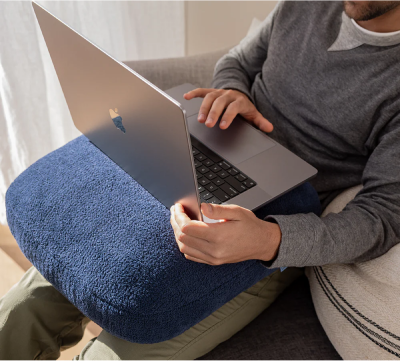
Weighted pillows have emerged as the superior alternative to weighted blankets for many adults seeking portable, versatile deep pressure stimulation. Unlike blankets that can feel restrictive, hot, or cumbersome, weighted pillows offer targeted relief that adapts to your needs throughout the day.
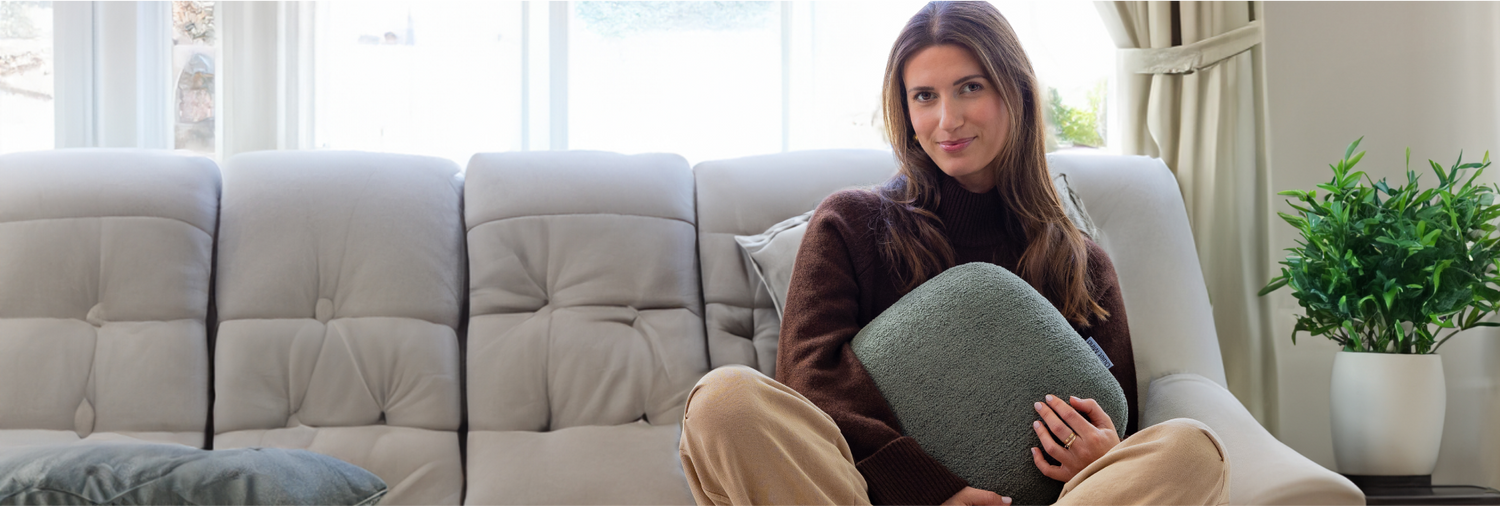
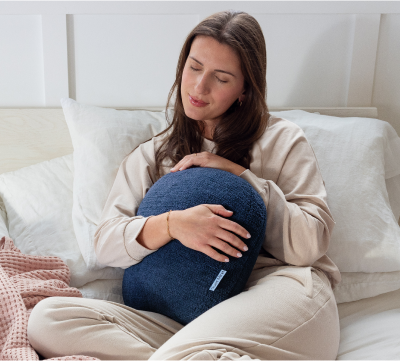
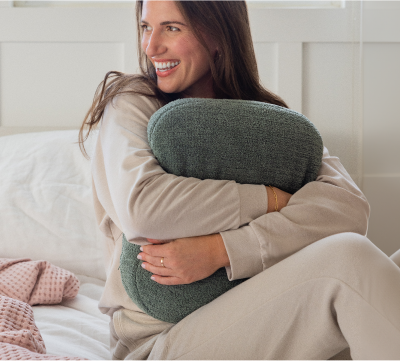
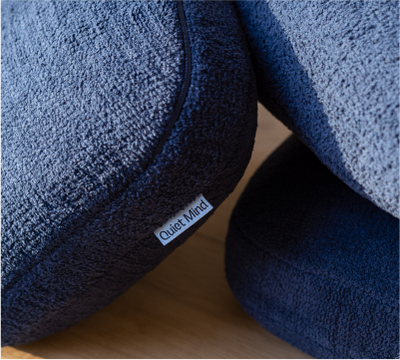
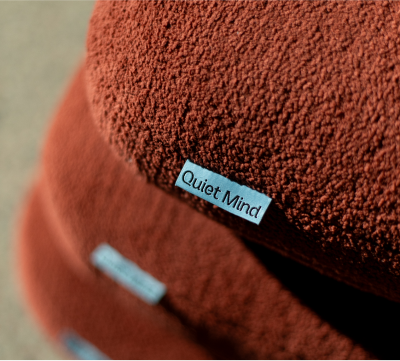
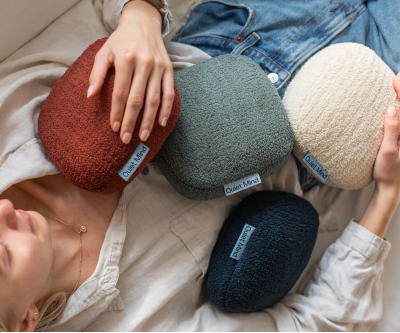
The Quiet Mind Original Weighted Pillow represents the gold standard in this category, featuring a patent-pending design that concentrates therapeutic weight in a compact, huggable form. Available in 6lb, 9lb, and 12lb options, these pillows provide the same Deep Pressure Stimulation benefits as weighted blankets but with unprecedented portability and versatility.
What sets premium weighted pillows apart:
-
Even Weight Distribution: High-quality glass bead filling that doesn't shift or bunch
-
Breathable Fabrics: Temperature-regulating materials that prevent overheating
-
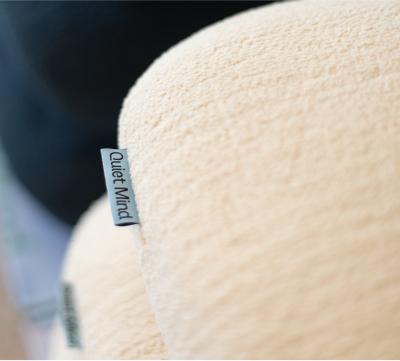
Aesthetic Design: Neutral colors and premium textures that complement any decor
-
Multiple Use Cases: Perfect for lap use during work, couch relaxation, or bedtime comfort
Professional Recognition: Quiet Mind weighted pillows have been featured in major publications including the Wall Street Journal, Forbes, Men's Health, CNN, Better Homes & Gardens, and Oprah Daily, establishing them as the premier choice for discerning adults seeking stress relief.
Tactile and Fidget Sensory Items
For individuals who carry stress in their hands or need subtle movement to maintain focus, tactile tools provide essential regulation without drawing attention. The key is finding fidget tools that feel substantial and satisfying rather than cheap or distracting.
The Quiet Mind Mini Squeeze stress ball exemplifies this evolution, combining the familiar benefits of a traditional stress ball with added weight for enhanced proprioceptive input. This dual-action approach provides both tactile stimulation and grounding pressure in a pocket-sized format.
Effective Tactile Tools Include:
-
Weighted Stress Balls: Provide resistance training for hands while delivering calming pressure
-
Textured Fidget Tools: Offer varied tactile experiences to satisfy sensory-seeking needs
-
Thinking Putty: Allows for continuous manipulation while maintaining focus during meetings or calls
-
Fidget Rings: Discrete jewelry that provides subtle tactile stimulation throughout the day
The beauty of modern fidget tools lies in their discretion—they're designed to be used in professional settings without appearing unprofessional or distracting to others.
Auditory and Visual Calming Aids
Environmental control is crucial for stress management, particularly in our increasingly chaotic world. Auditory and visual tools help create a controlled sensory environment that supports calm and focus.
Auditory Solutions:
-
White Noise Machines: Create consistent soundscapes that mask jarring environmental noises
-
Noise-Canceling Headphones: Provide immediate sensory reduction in overwhelming environments
-
Sound Therapy Apps: Offer customizable audio experiences with nature sounds, binaural beats, or guided meditations
Visual Aids:
-
Light Therapy Lamps: Regulate circadian rhythms and provide mood-boosting full-spectrum light
-
Sensory Bottles: Offer mesmerizing visual focus points that can interrupt anxiety spirals
-
Blue Light Blocking Glasses: Reduce digital eye strain and support better sleep quality
These tools are particularly valuable in open-plan offices, busy households, or travel situations where overstimulation is a constant challenge.
How to Choose the Best Sensory Tool for Your Needs
Selecting the right sensory tool requires moving beyond popular trends to identify solutions that match your specific stress patterns and lifestyle needs. The most expensive or highly-rated tool won't help if it doesn't align with how your nervous system processes stress and seeks regulation.
Assessing Your Stress Triggers and Preferences
Start by identifying whether your stress manifests primarily as physical symptoms (muscle tension, restlessness, racing heart) or cognitive symptoms (racing thoughts, difficulty concentrating, mental overwhelm). This distinction guides you toward the most effective tool category.
Physical Stress Indicators suggest you need proprioceptive input:
-
Muscle tension, especially in shoulders, neck, and jaw
-
Restless legs or need to move constantly
-
Feeling "wound up" or unable to sit still
-
Difficulty falling asleep due to physical agitation
-
Craving tight hugs or heavy blankets
Cognitive Stress Indicators suggest you need focusing tools:
-
Racing thoughts or mental chatter
-
Difficulty concentrating on tasks
-
Tendency to fidget with hands during meetings
-
Feeling mentally scattered or overwhelmed
-
Needing background noise to focus
Mixed Symptoms often respond best to combination approaches, such as using a weighted pillow while listening to white noise.
Understanding your sensory preferences is equally important. Some people find deep pressure incredibly soothing, while others feel claustrophobic. Some crave tactile stimulation, while others prefer smooth, consistent textures. If you're unsure of your preferences, take our quiz to identify your sensory profile and receive personalized recommendations.
Prioritizing Portability, Weight, and Design
Practicality determines whether you'll actually use your sensory tool consistently. Consider these key factors:
Weight Guidelines:
-
Weighted items should be approximately 10% of your body weight for optimal effectiveness
-
Lap pillows can be slightly lighter (6-8% of body weight) for extended use
-
Stress balls and fidget tools should provide resistance without causing hand fatigue
Portability Needs:
-
Home-only tools can be larger and heavier (weighted blankets, large pillows)
-
Office tools must be discrete and professional-looking
-
Travel tools should fit in carry-on luggage and work in various environments
Design Considerations:
-
Choose neutral colors that blend with your existing decor
-
Prioritize quality fabrics that feel luxurious rather than clinical
-
Look for designs that could pass as regular home accessories
The Quiet Mind Weighted Body Pillow exemplifies these considerations, offering full-body regulation for sleep while maintaining an aesthetic that complements bedroom decor.
Reading Reviews and Testing Options
Quality sensory tools represent an investment in your mental health, so research is essential. Look for products with flexible return policies—Quiet Mind offers a 30-day satisfaction guarantee because sensory preferences are highly individual.
Key Review Points to Investigate:
-
Durability: Look for mentions of seam quality and bead containment
-
Weight Distribution: Ensure weight stays evenly distributed over time
-
Temperature Regulation: Confirm the tool doesn't cause overheating
-
Noise Level: Weighted items should be silent when moved
-
Washability: Check care instructions for long-term maintenance
Professional Credibility Indicators:
-
Features in reputable publications (Wall Street Journal, Forbes, CNN)
-
Endorsements from occupational therapists or mental health professionals
-
Clinical research supporting the specific product design
-
Transparent manufacturing information and materials sourcing
High-profile press coverage often indicates rigorous testing and quality standards that ensure you're investing in a tool that will deliver consistent results.
Best Practices for Maximum Stress Relief
Owning a sensory tool is only the beginning—using it strategically and consistently is what transforms it from a purchase into a powerful stress management system. The most successful users integrate these tools into their daily routines rather than waiting for crisis moments.
Incorporating Tools into Your Daily Routine
Morning Activation:
Start your day with 10-15 minutes of weighted pillow use while drinking coffee or checking emails. This sets a calm baseline before daily stressors accumulate. The deep pressure helps regulate cortisol levels, which naturally peak in the morning.
Workday Integration:
Keep a weighted lap pillow at your desk for stressful calls or deadline pressure. Use a fidget tool during video meetings to maintain focus without appearing distracted. The key is making these tools as accessible as your coffee mug or phone.
Transition Rituals:
Use sensory tools to create clear boundaries between work and personal time. Spend 15 minutes with a weighted pillow while listening to calming music to signal your nervous system that the workday is over. This ritual helps prevent work stress from contaminating your evening relaxation.
Bedtime Preparation:
Incorporate weighted tools into your sleep routine 30-60 minutes before bed. The deep pressure stimulation increases melatonin production and decreases cortisol, preparing your body for restorative sleep. Consistency is crucial—your nervous system will begin anticipating and preparing for sleep when it recognizes these sensory cues.
Optimal Usage Duration and Timing
Session Length Guidelines:
-
Deep Pressure Tools: 15-20 minutes provides optimal neurochemical benefits without habituation
-
Fidget Tools: Can be used continuously throughout the day as needed
-
Auditory Tools: Effective for extended periods, particularly during focused work or sleep
-
Visual Tools: 5-10 minute sessions for anxiety interruption, longer for meditation support
Timing Strategies:
Morning Activation: Use light pressure tools and gentle fidgets to ease into the day without overwhelming your nervous system
Midday Reset: 5-10 minute sessions with deep pressure tools during lunch breaks can prevent afternoon stress accumulation
Evening Wind-Down: Begin sensory routine 30-60 minutes before desired sleep time for optimal nervous system preparation
Crisis Intervention: Keep portable fidget tools readily available for unexpected anxiety spikes throughout the day
Creating Your Personal Sensory Toolkit
Building an effective sensory toolkit requires understanding your unique stress patterns and sensory preferences. Start with one tool from each category and gradually expand based on what provides the most relief.
Essential Starter Kit:
-
One weighted item (pillow or lap pad) for deep pressure
-
A discrete fidget tool for daily carry
-
Noise-canceling headphones or calming playlist
-
A visual focus object or app
Advanced Integration:
As you become more attuned to your sensory needs, layer multiple tools for enhanced effectiveness. For example, combine a weighted pillow with soft background music during evening relaxation, or use a fidget toy while listening to brown noise during work.
Conclusion: Your Path to Instant Calm
Sensory tools represent a scientifically-backed, immediate solution for stress relief that works with your body's natural neurological processes. Unlike temporary fixes that mask symptoms, these tools actively regulate your nervous system, creating lasting calm and improved emotional resilience.
Among all sensory interventions, weighted pillows stand out as the most effective and versatile option. They provide the deep pressure stimulation that directly activates your parasympathetic nervous system while being portable enough for use anywhere – from your office chair to your bedroom. The consistent, gentle weight creates an immediate sense of security and grounding that other tools simply cannot match.
Try Quiet Mind weighted pillows for instant calm – experience the transformative power of deep pressure therapy that thousands have used to reclaim their peace of mind. Whether you're dealing with daily stress, anxiety, or simply seeking better relaxation, the right sensory tool can be life-changing.
Remember, finding your perfect sensory solution is a journey of self-discovery. Trust your body's responses, experiment with different combinations, and be patient as you build your personalized toolkit for lasting stress relief. Your calmer, more centered self is just one sensory experience away.
Frequently Asked Questions About Sensory Tools for Stress Relief
Do sensory tools really work for stress relief?
Yes, sensory tools are scientifically proven to reduce stress and anxiety. Research shows that deep pressure stimulation from weighted items activates the parasympathetic nervous system, lowering cortisol levels and heart rate. Fidget tools help redirect nervous energy and improve focus, while textured surfaces provide grounding sensations that interrupt anxiety spirals. The effectiveness varies by individual, but studies consistently demonstrate measurable improvements in stress markers when people use appropriate sensory interventions regularly.
What's the most effective sensory tool for anxiety?
The most effective tool depends on your specific anxiety triggers and sensory preferences. Weighted blankets are highly effective for generalized anxiety due to their deep pressure stimulation. Fidget cubes work well for restless anxiety, while stress balls help with tension release. Noise-canceling headphones excel for sensory overload anxiety. Many people find combining tools most effective—such as using a weighted lap pad while listening to calming sounds. The key is identifying whether you need calming, focusing, or grounding sensations.
How heavy should a weighted pillow be for stress relief?
A weighted pillow should be approximately 10% of your body weight, similar to weighted blanket guidelines. For most adults, this ranges from 12-20 pounds. Start lighter if you're new to weighted products, around 5-8% of body weight, then gradually increase as you become comfortable. The pillow should feel comforting and secure without restricting movement or breathing. Consider your intended use—lap pillows can be lighter (8-12 pounds) while full-size weighted pillows for sleep may be heavier.
Can I use sensory tools at work?
Absolutely! Many sensory tools are workplace-appropriate and can significantly improve focus and stress management during work hours. Discrete fidget tools like stress balls, fidget rings, or small textured items fit easily in desk drawers. Weighted lap pads can be used while sitting at your desk. Noise-canceling headphones help manage auditory distractions. Essential oil rollers provide quick aromatherapy relief. Choose tools that won't distract colleagues and align with your workplace culture while providing the sensory input you need.
Are sensory tools only for ADHD or autism?
No, sensory tools benefit anyone experiencing stress, anxiety, or sensory processing challenges. While they're commonly associated with ADHD and autism due to heightened sensory needs in these populations, neurotypical individuals also experience significant benefits. Sensory tools help with general stress management, sleep improvement, focus enhancement, and emotional regulation. They're particularly useful for high-stress professions, students, parents, and anyone seeking natural stress relief methods. The human nervous system responds to sensory input regardless of neurological differences.
How quickly do sensory tools reduce stress?
Most people experience immediate benefits from sensory tools, with noticeable stress reduction within minutes of use. Deep pressure tools like weighted blankets can lower heart rate and cortisol within 5-10 minutes. Fidget tools provide instant focus improvement and nervous energy release. However, cumulative benefits develop over time with consistent use. Regular sensory tool use trains your nervous system to activate relaxation responses more quickly. For optimal results, incorporate sensory tools into daily routines rather than using them only during high-stress moments.
What's better: weighted blanket or weighted pillow?
Both serve different purposes and can be complementary rather than competing options. Weighted blankets provide full-body deep pressure stimulation, making them ideal for sleep, anxiety attacks, and overall relaxation. They're best for extended use and comprehensive stress relief. Weighted pillows offer targeted pressure and are more portable, perfect for work, travel, or specific body areas needing relief. Pillows are easier to adjust and remove quickly. Consider your primary use case, lifestyle, and budget when choosing, or invest in both for comprehensive sensory support.
Can sensory tools help with panic attacks?
Yes, sensory tools can be highly effective during panic attacks by providing grounding techniques and nervous system regulation. Weighted items offer immediate deep pressure that can slow heart rate and breathing. Textured fidget tools help redirect focus from panic symptoms to physical sensations. Cooling tools like ice packs provide shock sensations that interrupt panic spirals. Aromatherapy tools with calming scents like lavender can trigger relaxation responses. While not a replacement for professional treatment, sensory tools serve as valuable coping mechanisms during acute anxiety episodes.