




Does the hum of the fridge drive you up the wall? Do clothing tags feel like sandpaper, or do you find yourself craving a big, tight hug after a long day? If your senses seem turned up (or down) compared to everyone else's, you're not imagining it, and you're definitely not alone.
Below, we'll cover what sensory processing disorder looks like in adults, why it often goes unnoticed until later in life, and simple ways to feel more comfortable every day.
What Is Sensory Processing Disorder in Adults?
Your brain is always taking in information from your senses and deciding what matters. With sensory processing disorder (SPD), that sorting works a little differently. Some signals come through way too loud, while others barely register.
Fun Fact: You have more than five senses. Besides sight, hearing, touch, taste, and smell, there's your sense of balance, your sense of where your body is (like touching your nose with your eyes closed), and your sense of what's happening inside you, like hunger or thirst. SPD can affect any of them.
SPD often shows up alongside ADHD, autism, and anxiety, and plenty of adults only find the words for it later in life.
What SPD in Adults Looks Like Day to Day
Sensory issues in adults usually fall into two patterns, and many people have a bit of both. See which one sounds more like you.
When Your Senses Feel Turned Up (Sensory Avoiders)
If you're an avoider, everyday things can feel like too much. Adult sensory sensitivity often looks like this:
-
Bright office lights or busy screens wear you out quickly.
-
Noisy restaurants or parties leave you drained, even when you're having fun.
-
Tags, seams, or scratchy fabrics bug you all day long.
-
Strong perfume or cooking smells are hard to ignore.
-
An unexpected light touch on your arm makes you jump.
None of this means you're fussy. Your brain is simply turning the volume up on the world.
When Your Senses Feel Turned Down (Sensory Seekers)
Seekers are the opposite. Their brains want more input to feel settled, which can look like:
-
Playing music loud or loving spicy, crunchy food.
-
Tapping, bouncing a leg, or always fiddling with something.
-
Bumping into things and not noticing bruises until later.
-
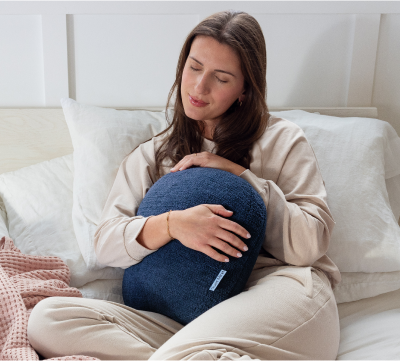
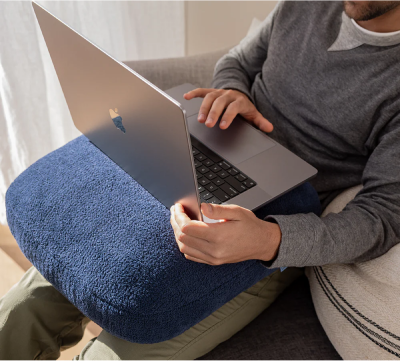
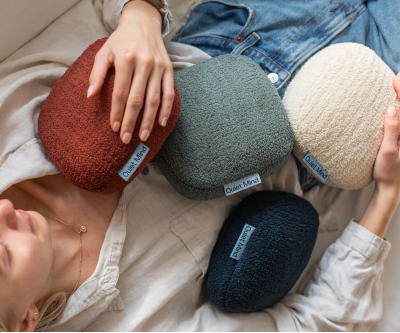
Feeling calmest with firm pressure, like a tight hug or a weighted pillow on your lap.
Seekers are often the movers and the huggers, and that energy can be a real gift.
When You're a Mix of Both
Plenty of people hate scratchy sweaters but love a big bear hug. That's completely normal. Your senses just have their own settings, and learning them is the first step to feeling more comfortable.
Why Sensory Issues Often Go Unnoticed in Adults
Adults get really good at working around their senses without ever naming what's going on. You pick the quiet table, cut out every tag, and keep headphones in your bag "just in case." Instead of looking like a sensory issue, it can feel like being tired, cranky after busy days, or needing more alone time than your friends.
There's a lovely upside, too. A sensitive system often notices what others miss, like tiny details, a shift in someone's mood, or the layers in a favorite song. Once you understand how your senses work, you can lean into those strengths and plan around the tricky moments.
What Helps With Sensory Processing Disorder in Adults

The goal isn't to change how your senses work. It's to give them what they need so everyday life feels easier. These ideas help both avoiders and seekers.
Use Deep Pressure to Reset
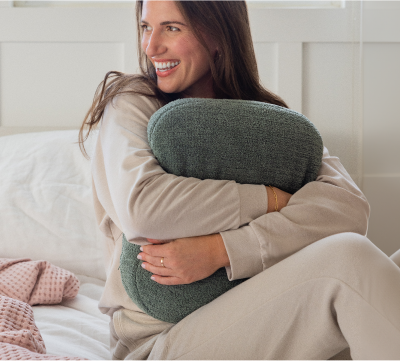
Firm, steady pressure is one of the most calming kinds of sensory input there is. It quiets an overloaded system and gives a seeking one the input it craves, which is why a weighted pillow works so well.
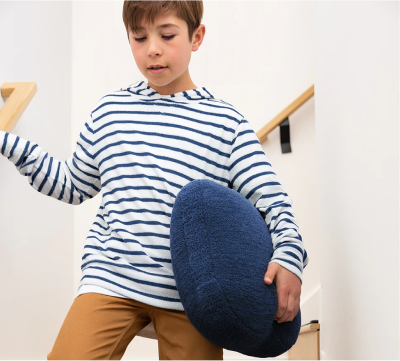
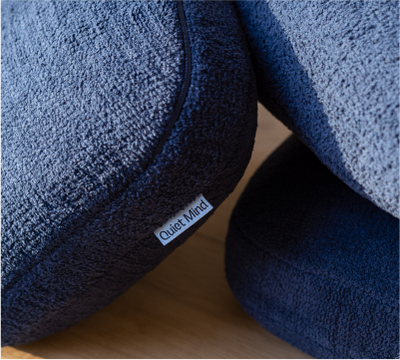
Hugging a Quiet Mind Original Weighted Pillow feels like a warm, steady hug, and it's soft enough for even picky skin. The cover is soft and cozy, too. One Thingtesting reviewer called it “super soft” with a “very satisfying texture.”
And there is a personal reason Quiet Mind understands the appeal. Founder Mikey Goldman grew up with ADHD and SPD, so sensory comfort has always been close to home.
Build a Calm Corner at Home
Pick one spot that's easy on your senses. Think soft lighting, a cozy blanket, quiet, and maybe your weighted pillow. It gives you a place to reset after busy days.
Keep a Sensory Kit in Your Bag
A small kit means you're ready wherever you go. Good things to pack include noise-canceling earbuds, sunglasses, gum or a crunchy snack, and something to squeeze.
The Mini Squeeze is perfect for that last one, giving busy hands a soft, weighted squish during a loud commute or a long meeting.
Plan Little Breaks Around Busy Moments
If grocery stores or big meetings wear you out, plan five quiet minutes right after. Sit in the car, step outside, or close your eyes and breathe. Small breaks stop the overload from stacking up.
Work With an Occupational Therapist
An occupational therapist (OT) can help you build a "sensory diet." That's a personal plan of activities, like stretching, swinging, or heavy lifting, that keeps your senses balanced all day. Lots of adults find it makes everyday life feel much smoother.
Start with one or two of these ideas, notice what feels good, and build from there.


FAQs
Can adults have sensory processing disorder?
Yes, and it's more common than most people think. Many adults have had sensory differences since childhood and are only now putting a name to them.
How is SPD different from being a highly sensitive person?
A highly sensitive person notices more and feels things deeply, but usually doesn't feel overloaded by everyday life. With SPD, sensory input tends to affect your comfort and energy more often. Both come with real strengths, and the same calming tools can help.
Do weighted pillows help with sensory issues?
They can be a wonderful help. Gentle, steady weight gives your body the deep pressure it loves, which helps many people feel grounded and calm. A huggable weighted pillow is also easy to move from the couch to your desk to your bed.
Feel More at Home in Your Senses With Quiet Mind

Living with sensory processing disorder as an adult isn't about toughing it out. It's about learning what your senses love and giving them more of it.
A calm corner, a small sensory kit, and plenty of deep pressure can turn overwhelming days into manageable, even cozy ones. Quiet Mind was built by someone who understands sensory needs firsthand, so everything is made to feel soft, steady, and comforting. And if bedtime is when your senses most need to switch off, the Weighted Body Pillow wraps you in a full-length hug that makes winding down feel easy.