




You find a sensory toy that looks deeply satisfying online. Three days later, it is too loud for meetings, too distracting for work, or quietly gathering dust in a drawer.
A useful adult sensory toy should provide enough input to support what you are doing without pulling your attention away from the activity itself. That sweet spot looks different for everyone, which is why there is no single sensory tool that works best for every person with ADHD.
The smarter approach is to identify what your mind or body wants, then choose a tool that fits the task, setting, and sensory experience.
First Ask: More Input, Less Input, or Steadier Input?
Sensory needs can change throughout the day. A lively fidget may feel great during an afternoon slump and completely unbearable after a noisy commute.
Before choosing a tool, ask what kind of support would feel useful right now:
-
More input: You feel restless, bored, or eager to move.
-
Less input: Sounds, lights, textures, or activity feel overwhelming.
-
Steadier input: You want consistent touch, movement, resistance, or pressure.
This distinction matters because adding stimulation to an already crowded moment can make focusing harder. Sometimes the answer is a fidget. Sometimes it is softer lighting, a quiet room, or a five-minute walk.
Choose a tool based on the support you need, not only the label on the packaging.


Match the Sensory Tool to the Job
The most helpful sensory tool is the one that fits what you need in that specific moment.
For Keeping Your Hands Busy While Listening
If your hands want a job during calls, classes, or conversations, try something simple and repetitive. Putty, smooth rollers, textured objects, fidget rings, and squeeze tools can provide movement without requiring a complicated game plan.
The ideal listening fidget works almost automatically. You should be able to use it with one hand, preferably without looking down every six seconds.
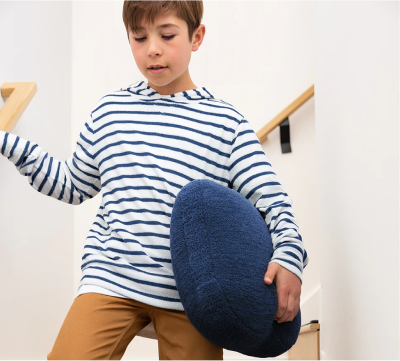
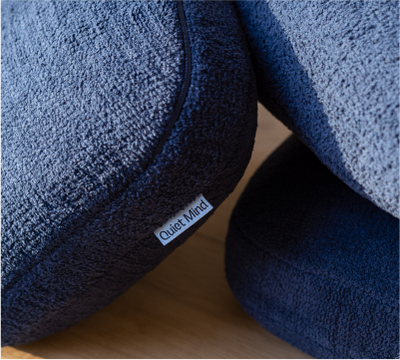
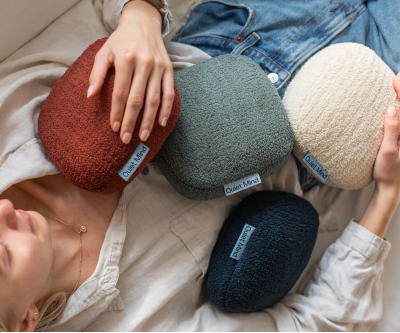
Quiet Mind’s Mini Squeeze is one option for people who prefer a softer, more substantial feel. This 1.5 lb, 6-by-6-inch weighted stress ball can be held, squeezed, or kneaded at a desk or on the go. It is sensory input, not an ADHD treatment, and its usefulness depends on how it feels to you.
For Steady Pressure Without Busy Hands
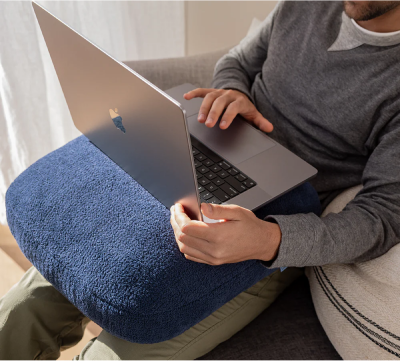
Sometimes your hands need to type while the rest of you wants something steady. A weighted lap pad, heavier cushion, or weighted pillow can provide pressure during desk work, reading, or couch time.
This sensation is called deep pressure stimulation, sometimes described as deep pressure therapy. In everyday terms, it means firm, even pressure that some people find comforting and grounding.
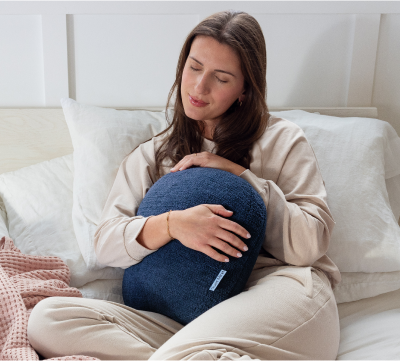
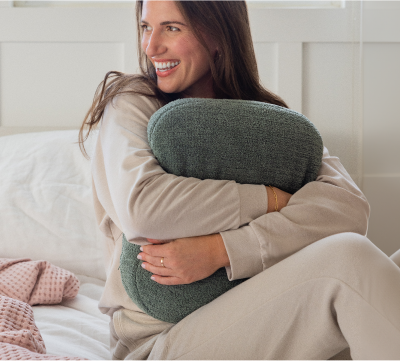
A lap pad stays flat across the legs. A weighted pillow offers more flexibility because it can sit on your lap or be hugged. Quiet Mind’s Original Weighted Pillow comes in 6, 9, and 12 lb sizes, making it an option for adults who enjoy huggable weight. Whatever you choose should feel comfortable and easy to reposition.
For Reducing Sensory Competition
The best sensory item is not always a toy. Earplugs, noise-reducing headphones, softer lighting, a cap, comfortable clothing, or a less cluttered desk may be more helpful when your environment feels busy.
Try removing the biggest irritation first. Silence may support a writing session better than a clicking fidget. A soft shirt may make a long workday easier than adding another textured object.
Sensory items for adults include anything that makes your surroundings easier to work with. The product category matters far less than the experience it creates.
For Giving Restless Movement Somewhere to Go
A tiny hand toy can feel underwhelming when your whole body wants to move. In that case, try a resistance band around your chair legs, a foot rocker, a standing break, a stretch, or a quick walk.
Ask yourself, “Do my hands need something, or does all of me need movement?”
That one question can save you from buying five more desk fidgets when what you really need is permission to stand up for a minute.
What Often Doesn’t Work and Why
A sensory toy usually misses the mark because the tool, task, and setting do not match.
Common mismatches include:
-
Clicking or flashing toys in shared spaces
-
Visually complex tools during reading or conversation
-
Strong scents or unpleasant textures
-
Two-handed toys during computer work
-
Lightweight fidgets when you want resistance
-
Weighted products that feel warm or awkward
-
A giant collection that creates another decision to make
Here is a useful test: if you remember every detail of the toy but none of the meeting, it was too engaging for that task.
Be cautious of products promising guaranteed focus, calm, or relief from ADHD symptoms. Sensory tools can support a moment; they are not cures with buttons attached.
What to Look For Before Buying Adult Sensory Toys

Run any potential purchase through this quick filter:
-
Purpose: What do you want the tool to support?
-
Input: Do you want to squeeze, roll, stretch, move, block sound, or feel pressure?
-
Attention cost: Can the tool stay in the background?
-
Setting: Is it quiet and practical enough for where you will use it?
-
Comfort: Do you genuinely like its texture, scent, temperature, and weight?
-
Practicality: Is it portable, durable, and easy to clean?
-
Control: Can you stop or move it immediately?
Adult-friendly styling can matter too. Plenty of adults enjoy colorful toys, while others prefer something subtle enough for a meeting. Both are perfectly valid. The right tool should fit your life rather than make sensory support feel like another thing you have to do perfectly.
Give It the Two-Task Test
A sensory toy can be helpful in one setting and distracting in another. Test it during two different tasks, such as listening to a call and completing focused written work.
After each trial, ask:
-
Was staying with the task easier, harder, or unchanged?
-
Did I use the tool automatically or keep watching it?
-
Did I want more, less, or different input afterward?
-
Would its sound or movement affect anyone nearby?
Try it a few times before deciding. “Helpful for meetings, distracting for reading” is a useful result. Your sensory toolkit is allowed to have specialists.
Build a Small Sensory Kit

Start with one option for each situation you regularly face:
-
A silent hand tool for meetings
-
An input-reducing option for busy environments
-
A movement choice for long work sessions
-
A comforting or weighted item for home
Use what you already own, too. A smooth stone, hair tie, soft hoodie, favorite pen, or pair of headphones may do the job beautifully.
Products marketed as fidgets, sensory aids, or anxiety toys often overlap. Their labels do not guarantee a result. A small, familiar kit may be easier to use than a drawer full of options you forget about.
FAQs
Do sensory toys really help adults with ADHD?
Some adults find that movement or sensory input supports certain tasks. The effect depends on the person, tool, environment, and activity.
What is the best sensory toy for adults with ADHD at work?
Look for something quiet, visually simple, and easy to use with one hand. It should support the work rather than compete with it.
Is a weighted lap pad better than a fidget toy?
They serve different preferences. Lap weight provides steady pressure, while a fidget gives the hands repetitive movement.
Can a sensory toy become distracting?
Absolutely. Save highly engaging toys for breaks and choose simpler tools when you need to listen, read, or write.
Are adult sensory toys the same as anxiety toys?
The categories often overlap. Neither label guarantees calm or focus, so choose according to the sensation and situation you want to support.
Find the Tool That Fits the Moment
A good sensory tool works with the activity already happening. Start with one recurring situation, decide whether you want more, less, or steadier input, and test a single option.
Your preferences may change between work, travel, and home, and that flexibility is part of building a toolkit that actually feels like yours.
For a portable option that provides huggable, weighted sensory input, explore Quiet Mind’s Weighted Pillow Collection.