










You can be the person who gets things done and still feel anxious underneath it all. The presentation goes well, the messages are answered, and tomorrow is already planned. But your mind keeps checking for what could go wrong, your body stays tense, and rest never feels quite complete.
This is often what people mean by high-functioning anxiety. It can hide behind competence, which makes it easy to miss how much energy it takes to keep everything looking fine.
In this blog, we’ll look at the signs, the habits that keep anxiety working overtime, and the support that can help daily life feel lighter.
Is High-Functioning Anxiety a Real Diagnosis?
The experience is real, but “high-functioning anxiety” is not a formal diagnosis. It is an informal description for anxiety that exists alongside continued work, caregiving, studying, or other responsibilities.
You can function well in one area while struggling with sleep, relationships, physical tension, or constant internal distress. Similar patterns may also appear with recognized anxiety disorders or other concerns, so an online checklist cannot tell you exactly what is happening.
The label is best used as a starting point: not “This proves what I have,” but “This experience deserves my attention.”
How Anxiety Can Hide Behind Competence
High-functioning anxiety often shows up in the gap between how capable you look and how much effort it takes to stay that way. These signs can help you notice what others may not see.
What Other People May See
You may appear dependable, prepared, organized, ambitious, punctual, or always willing to help. None of those qualities is automatically a sign of anxiety. The more revealing question is what drives them. Are you choosing the extra effort, or does easing up feel unsafe?
What May Be Happening Inside
Behind that polished exterior, you may replay conversations, anticipate criticism, fear ordinary mistakes, or seek repeated reassurance. Physical signs can include restlessness, muscle tension, fatigue, digestive discomfort, poor concentration, and disrupted sleep.
You may finish something successfully and feel relief for five minutes before your mind finds the next risk.
What It May Be Costing
Consider the “functioning tax”: the invisible time and energy required to maintain the visible result. It may look like lost sleep, rigid routines, difficulty delegating, avoiding uncertain opportunities, or feeling guilty whenever you rest.
Productivity does not cancel distress. If success requires you to stay permanently braced, the cost matters too.
Hidden Loop That Keeps Anxiety Working Overtime
High-functioning anxiety often runs on a convincing little cycle:
-
A worry appears.
-
You overprepare, check, delay, take over, or ask for reassurance.
-
Anxiety drops briefly.
-
Your brain decides the extra control prevented disaster.
-
The same behavior feels necessary next time.
Imagine rereading a routine email eight times. Sending it brings relief, which can make eight checks feel responsible rather than anxiety-driven.
Managing high-functioning anxiety is not about becoming careless. It is about gently testing whether every layer of control is truly needed.
What Actually Helps High-Functioning Anxiety?

You can keep the care and capability that matter to you while easing some of the pressure underneath. Small changes can help you feel less braced and make support easier to accept.
Separate Excellence From Fear
Ask yourself: Would I still choose this level of effort if I felt safe making an ordinary mistake?
Keep the habits that reflect your values. Get curious about the ones mainly designed to prevent criticism, uncertainty, or discomfort. The goal is not lower standards. It is having more choices.
Practice “Good Enough” Where the Stakes Are Low
Send a routine message after one review. Let someone else handle a small task. Make a minor decision without polling three people first.
Start gently. You are gathering evidence that an imperfect action can still be safe and effective. If these experiments feel overwhelming, a therapist can help you approach them at a workable pace.
Give Recovery a Place in Your Day
Rest can feel suspicious when your mind is trained to scan for the next problem. Create a clear transition after work or demanding social time: take a walk, shower, stretch, journal, or sit somewhere quiet with a comforting object.
Recovery is maintenance, not a prize you earn after completing an infinite list.
Use Evidence-Based Support
Cognitive behavioral therapy and other evidence-based approaches can help with worry, avoidance, perfectionism, and reassurance seeking. A qualified professional can also assess whether your symptoms fit an anxiety disorder or another concern.
Medication helps some people, but that conversation belongs with a qualified prescriber. Supportive habits and comfort tools can complement professional care.
Try a Seven-Day Functioning-Tax Check
For one week, briefly note:
-
What I worried would happen
-
What I did to prevent it
-
How much time or energy it required
-
Whether the feared outcome occurred
-
What “good enough” could look like next time
Keep the notes short. This is not another project to perfect. You are simply looking for repeatable patterns and useful examples you could bring to a professional conversation.
When Comfort Tools Can Support the Pause

Anxiety is not only a stream of thoughts. It may also feel like clenched hands, raised shoulders, restlessness, or a body that never fully clocks out.
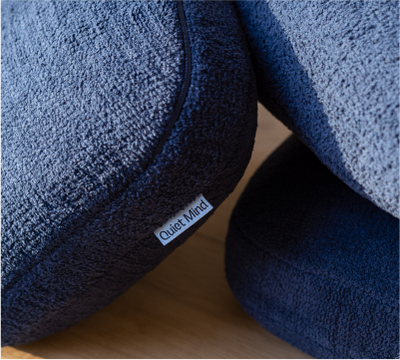
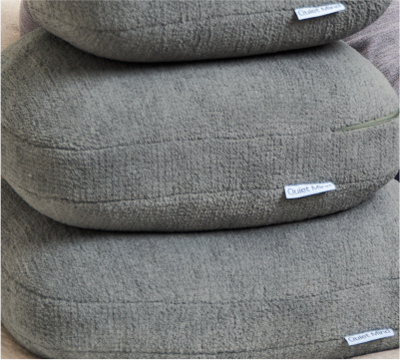
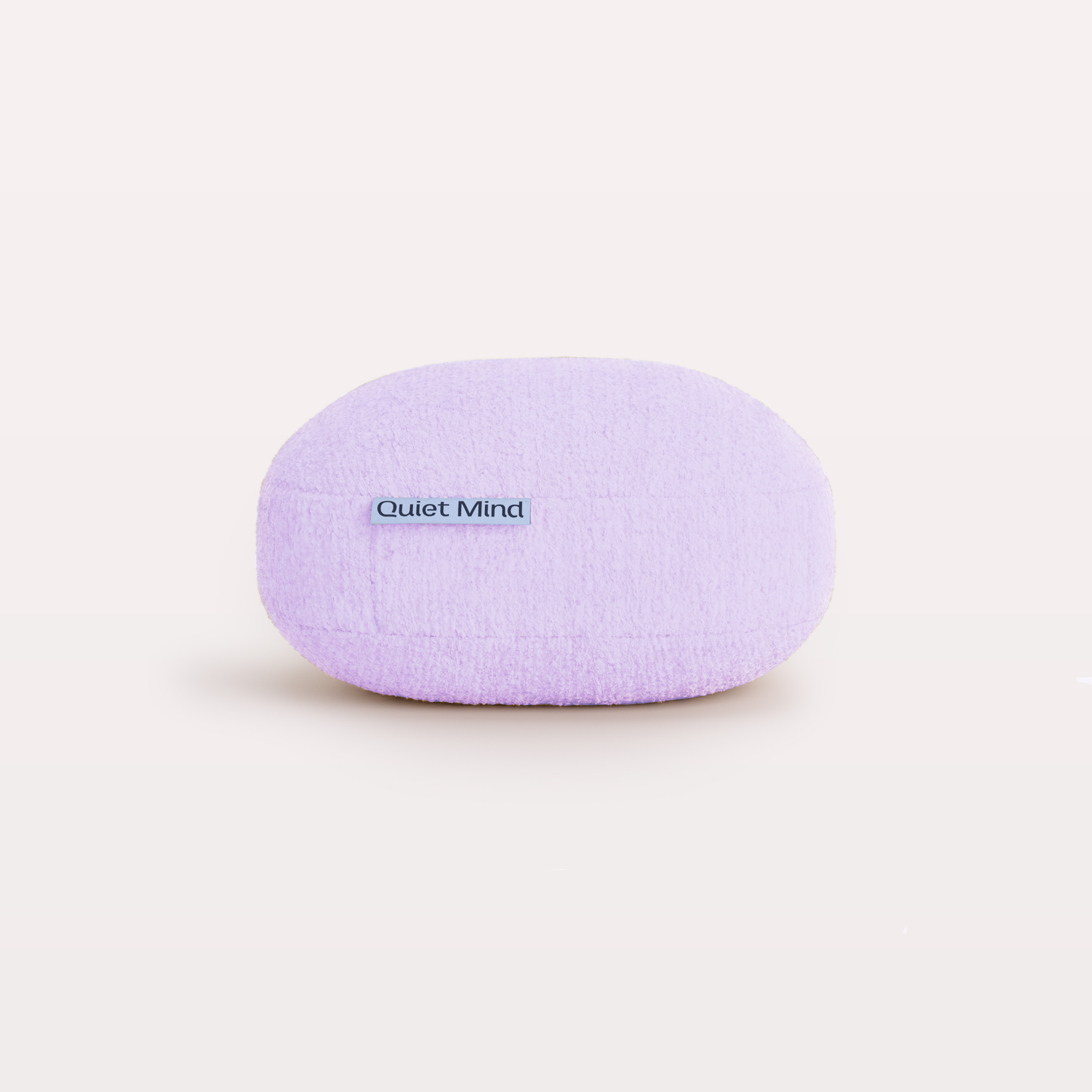
If you enjoy steady pressure, holding a weighted pillow or resting one across your lap can become a cue for quiet reading, journaling, or leaving work mode behind. Pressure should always feel comfortable and easy to remove. Think of sensory comfort as support for the pause, not treatment for the underlying anxiety cycle.


When to Ask for More Support
Consider speaking with a healthcare or mental-health professional when anxiety persists, disrupts sleep or relationships, causes avoidance or panic attacks, or makes slowing down feel impossible. You do not have to wait until your performance drops.
If you are thinking about self-harm or feel unable to stay safe, seek urgent local support now. Needing help does not erase your capability. It gives that capable part of you some well-deserved backup.
FAQs
Is high-functioning anxiety an official diagnosis?
No. It is an informal description, although the anxiety and distress behind the label can be very real.
What are common signs of high-functioning anxiety?
Common signs include persistent worry, overpreparation, perfectionism, reassurance seeking, muscle tension, fatigue, and difficulty resting.
Can high-functioning anxiety lead to burnout?
It can contribute to exhaustion or burnout when constant worry, overwork, and limited recovery continue unchecked.
What therapy helps with high-functioning anxiety?
Cognitive behavioral therapy commonly helps anxiety by addressing worry, avoidance, perfectionism, and reassurance-seeking habits over time.
Give Yourself Permission to Put Some of It Down
Appearing capable does not mean you must keep struggling privately. Your next step can be as small as tracking the functioning tax, practicing one low-stakes “good enough,” or talking with a professional.
For moments when your body wants something steady, Quiet Mind’s weighted pillows can offer huggable comfort during a quiet pause or wind-down routine. They are not an anxiety treatment, and they do not need to be. Sometimes support begins with making room to put the day down.
Explore Quiet Mind’s weighted comfort tools and find a softer way to put the day down.