






The backpack is packed. Bedtime is close. And suddenly your child has a stomachache, tears streaming, or a very firm "I don't want to go." Sound familiar? School transitions can feel enormous, even for kids who genuinely like learning. Something about the unknown shifts the whole nervous system into alert mode.
We get it. So let's walk through what is actually happening in your child's body and mind, what you can do before school starts, how to handle the first morning, and how to keep anxiety from running the show.
What Back-to-School Anxiety Can Look Like in Kids
Back-to-school anxiety in children shows up in more ways than most parents expect. The goal here is to notice patterns early so you can respond before things escalate.
Emotional Signs:
-
Excessive worry about specific school scenarios
-
Clinginess or separation distress at home
-
Irritability or sudden meltdowns in the days leading up to school
-
Repeated questions like "What if my teacher is mean?" or "What if I miss you?"
Body Signs:
-
Stomachaches or headaches with no clear medical cause
-
Trouble falling asleep or waking up at night
-
Changes in appetite
Behavior Signs:
-
Avoiding conversations about school
-
Refusing to pack a bag or pick out clothes
-
Seeking constant reassurance without feeling settled by it
When you can name what you’re seeing, the next step gets gentler: less “Why are they acting like this?” and more “What is their anxiety trying to tell me?”
Why the First Day Can Feel So Big
First-day school anxiety is rarely about being "too sensitive." There are real triggers underneath it: a new teacher, a new classroom, unknown rules, separation from home, social worries, academic pressure, and for some kids, the sensory overload of a loud, busy building.
The biggest driver is uncertainty. Kids fear what they cannot picture yet. They do not know where to sit, who will help them, or what happens if something goes wrong.
The real question your child is asking, even if they cannot say it, is: "Will I know what to do, and will someone be there if I don't?" When you orient your support around answering that question, everything else gets easier to manage.
Calm Back-to-School Plan Your Child Can Picture
This is a timing-based plan with one goal: make school feel less like a cliff edge and more like something your child can picture walking into.
One Week Before: Make School Feel Familiar Again
Start shifting sleep and wake times gradually toward the school schedule. Even 15 minutes a day helps.
Then make school concrete. Drive the route, visit the building if possible, look at photos of the classroom, and say the teacher's name out loud at home. Familiarity reduces fear.
If your child struggles with drop-off, practice small separations now. A short errand without them, a playdate where you leave briefly, or even a confident goodbye at home can build the muscle memory they need.
The Night Before: Make the Morning Smaller
Decision fatigue on a nervous morning is a real problem. The night before, pick out clothes, pack the bag, choose lunch, and set out shoes. Everything that can be decided in advance should be.
Let your child name their worries without debating each one. You do not need to fix every fear.
Try: "It makes sense this feels new. We have a plan." That lands better than "You'll be fine, I promise."
The First Morning: Keep the Goodbye Warm and Steady
Keep the order simple and familiar: wake up, eat breakfast, get dressed, grab a comfort item or run through a short checklist, then go. For an anxious child, routine can feel like a handrail. They know what comes next, which means their brain has one less thing to argue with.
At the door, aim for warm and steady. Choose one goodbye phrase, say it with confidence, and follow through. Something like, “I love you, and I’ll see you after school.” Lingering feels kind in the moment, but it can make the goodbye feel bigger than it needs to be.
What to Say When Your Child Says, "I Don't Want to Go"
Start with validation before you reach for solutions. A simple “I hear you. New mornings can feel hard” tells your child their feelings make sense. That alone can help the moment feel less like a battle.
Then bring them back to the plan: “Your teacher will meet you at the door, and I’ll be back after school.” Keep it steady and specific.
Try to skip lines like, “There’s nothing to worry about.” To them, there is plenty to worry about. Also watch for the reassurance loop: endless bargaining, repeated promises, or staying home without illness or safety concerns can quietly teach anxiety that avoiding school is the way out.
Comfort Tools That Can Help Kids Feel Grounded

Some kids calm down more easily when their body has something steady to hold, squeeze, hug, or feel. It gives all those big emotions somewhere to land, which can be especially helpful during school drop-off, transitions, or moments that feel too loud inside.
Simple options work best:
-
Small plush
-
Lap pillow
-
Soft hoodie
-
Worry stone
-
Fidget tool
-
Breathing reminder card
For school, choose something that follows classroom rules and is easy for your child to carry, use quietly, and put away on their own.
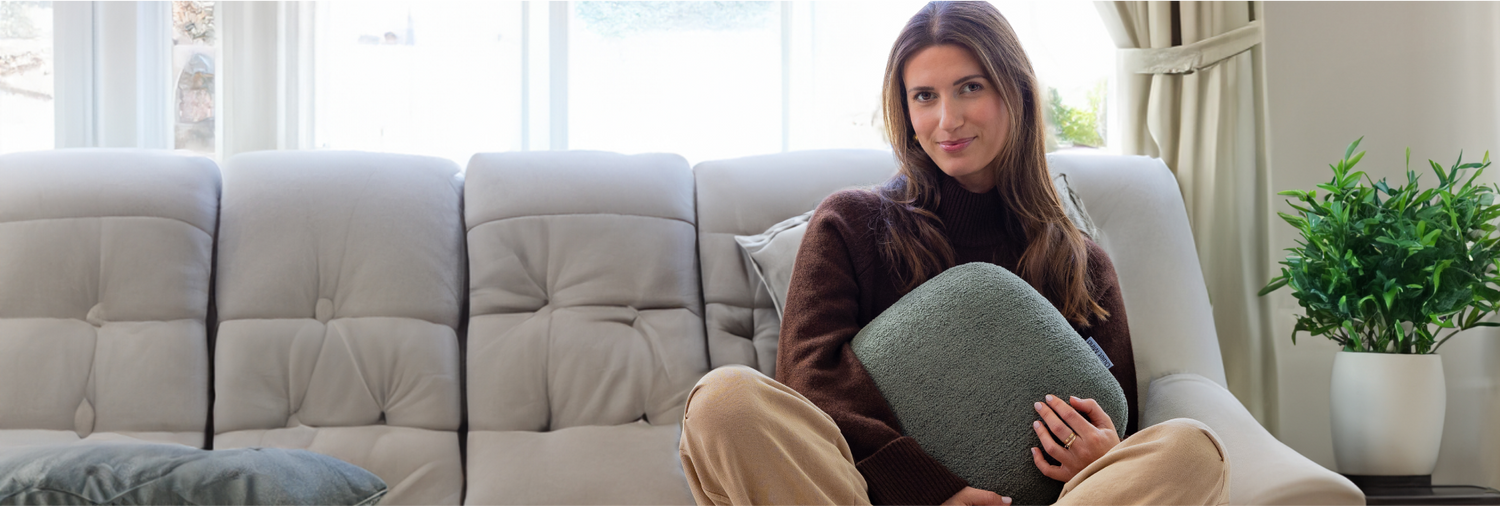
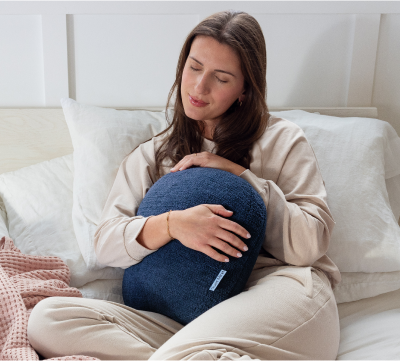
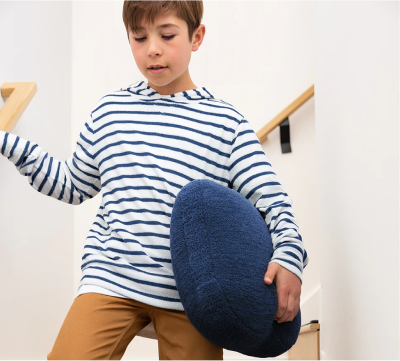
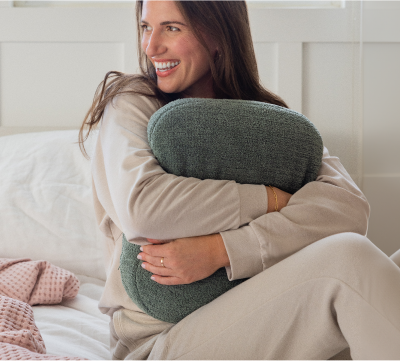
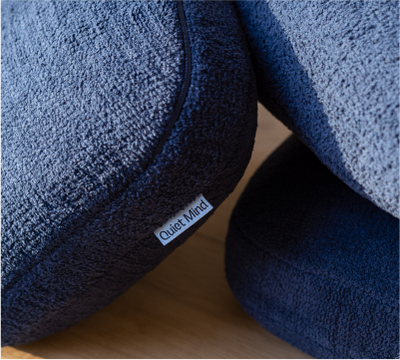
For kids who like soft pressure and something huggable, Quiet Mind’s Lil’ Hugsters or Mini Squeeze may be a good fit. They are not a treatment for anxiety, but they can offer a familiar little anchor when feelings get big.


Work With the School Before Anxiety Turns Into Avoidance
A quick, friendly email to the teacher before school starts can make a real difference. Keep it brief and practical: what anxiety looks like in your child, what helps them settle, and what they can manage on their own.
Ask whether the school has arrival routines, a buddy system, access to a counselor, or a quiet reset space. These are not unusual requests. Most teachers appreciate the heads-up.
If anxiety is intense or leads to school refusal, this can be treated successfully with professional support. Early help prevents avoidance from becoming a deeper pattern.
When Back-to-School Anxiety Needs Extra Help
Most kids settle within the first few days or weeks. But some need more support, and that is worth taking seriously.
Consider reaching out to a pediatrician, school counselor, child therapist, or psychologist if your child shows:
-
Anxiety that does not ease after the transition period
-
Repeated refusal to attend school
-
Panic responses, frequent physical complaints, or major behavior changes
-
Sleep disruption that continues well past the first week
Getting support early is not overreacting. It is one of the most effective things a parent can do.
FAQs
How long does back-to-school anxiety usually last?
Many kids settle within the first few days to a couple of weeks. If distress continues beyond the transition window, that is a signal to seek extra support.
Is first-day school anxiety normal?
Yes, especially when routines, teachers, classmates, or separation feel new. A level of nervousness at the start of a school year is expected.
Should I let my child stay home if they are anxious?
Not usually, unless they are sick or genuinely unsafe. Repeated avoidance tends to make anxiety stronger over time.
Can comfort objects help with school anxiety?
They may help some kids feel grounded, especially if the item is simple, safe, and allowed in the classroom.
What should I tell the teacher?
Share what anxiety looks like for your child, what helps them settle, and what kind of support they can try without singling the child out in front of peers.
Help Big School Feelings Feel a Little Smaller

Kids feel calmer when school becomes predictable, when the adults around them stay steady, and when they have simple tools for hard moments. That is the whole formula. You do not need to eliminate the nerves. You need to help your child build enough confidence to walk through them.
For children who respond well to soft, huggable comfort, having something familiar to hold can make a real difference on the days when school-day feelings get big.
Explore Quiet Mind’s Collection to find a soft, kid-friendly comfort tool they can reach for when school-day feelings get big.