




When loneliness settles in, it can show up in surprisingly physical ways. Your chest may feel tight, your hands may feel restless, or a quiet room may suddenly feel heavier than it should. When you are coping with loneliness, the feeling does not always stay in your mind. Sometimes your body notices the absence of connection before you have words for it.
That does not mean something is wrong with you. It means your body is doing what it is wired to do: look for closeness, comfort, and a sense of safety. In this blog, you’ll learn why loneliness can feel physical, why holding something may help in those moments, and how to use comfort tools without treating them as a substitute for real connection.
Why Holding Something Helps When You Feel Lonely
Holding something soft, warm, or weighted gives the body a steady sensory cue when connection feels absent. It does not fix loneliness, but it can make the moment feel less sharp.
-
What Helps: Holding something with weight, texture, warmth, or familiar softness.
-
Why It Helps: It gives the nervous system a small, grounding signal while the feeling passes.
-
What It Cannot Replace: It cannot replace real human connection, friendship, therapy, or professional support.
It is not the whole answer, but it can give your body enough steadiness to get through the moment and take the next small step toward connection.
Why Loneliness Can Show Up in the Body
Loneliness is not just a mood. It is a full mind-body experience. NHS recognizes that loneliness can affect sleep, appetite, energy levels, and everyday routines. It is not dramatic to say that a missing connection can wear the body down.
Common physical signals include:
-
Heavy feeling in the chest
-
Restlessness that makes it hard to settle
-
Fatigue that sleep does not seem to fix
-
Edgy discomfort at night when the day goes quiet
These are not imagined. They are the body's way of flagging that something it needs feels missing.
The Body Is Looking for a Cue of Safety
Self-soothing, at its core, is giving the nervous system a small, repeatable signal that says, "You are safe enough right now." The body does not always need a solution. Sometimes it needs an anchor.
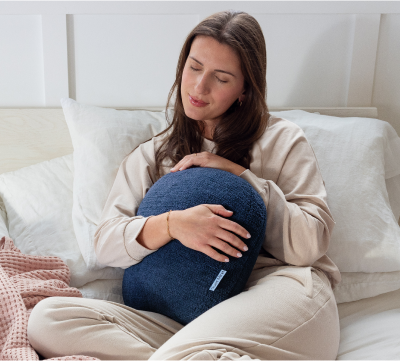
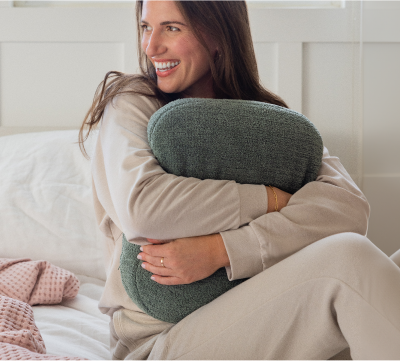
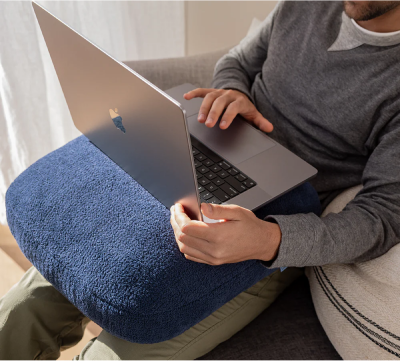
Holding something gives the hands, chest, and attention a focal point. Think about hugging a pillow during a hard phone call, pulling a hoodie tight around the shoulders, curling under a blanket when the evening feels too still, or resting something soft on the lap while watching TV.
These are instinctive moves, and they work because the body responds to physical steadiness even when emotions are unsettled.
What Touch, Pressure, and Familiar Objects Have in Common

Human touch is the most direct comfort signal the body recognizes. But when that is not available, texture, pressure, warmth, and familiarity can still reach the nervous system in quieter ways.
Research consistently links touch interventions with improved mental and physical well-being. Comfort products are not the same as human connection, but they can share some of the same sensory language.
Touch Helps the Body Feel Connected
Touch is one of the body's earliest signals of connection. Hugs, hand-holding, closeness with a pet, or safe physical contact with someone trusted all send the message that you are not alone. When those forms of touch are missing, loneliness often feels more sharply physical.
Pressure Gives the Body Something Steady
Gentle, even pressure on the body, the kind you get from holding something with a little weight, gives the body steady physical feedback. A weighted pillow feels different from a regular pillow because it adds real, consistent pressure.
Familiar Objects Make Self-Soothing Easier to Repeat
Softness and routine are a comforting combination. When an object becomes familiar, reaching for it becomes a cue in itself. An emotional support plush is not a childish concept.
Adults use them for sleep routines, grief, stress, and those nights when the body needs something to hold before the mind quiets down. The familiarity is part of what makes it work.
Which Comfort Product Fits the Feeling?
Different moments call for different kinds of comfort products. Here is a simple comparison:
-
Weighted Pillow: It is best for grounding pressure on the couch, bed, or lap.
-
Emotional Support Plush: It is best for softness, familiarity, and portable comfort.
-
Weighted Blanket: It is best for full-body pressure and a wrapping sensation.
-
Regular Pillow: It is best for easy hugging without added weight.
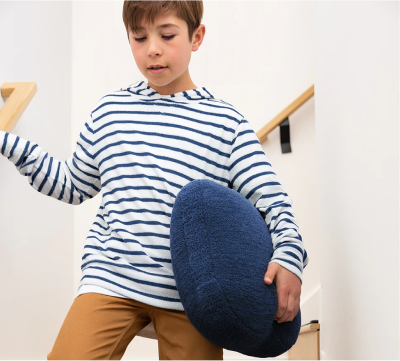
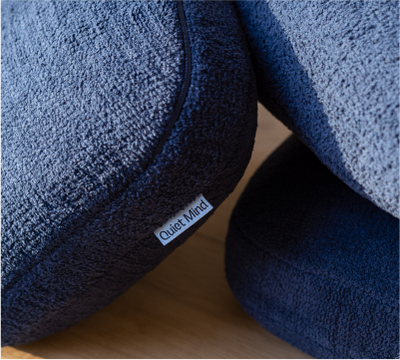
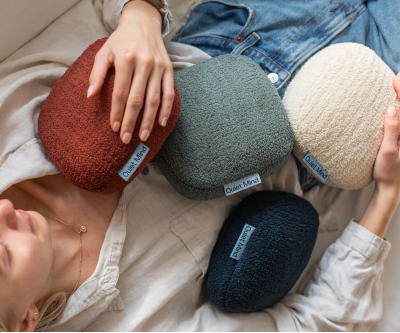
For readers who want a comfort object designed for holding, Quiet Mind's huggable weighted pillows and Lil' Hugsters are made with exactly that in mind. Something easy to hold, easy to keep nearby, and designed to feel like a real grounding tool.


When Comfort Helps, and When Loneliness Needs More Support
Comfort tools earn their place when they make a hard moment more manageable. They can help a restless body settle, take the edge off a long evening, or give the hands something steady to hold while emotions catch up.
What they should not do is replace friendships, therapy, medical care, or crisis support. If loneliness feels constant, hopeless, frightening, or is disrupting daily life, that is a signal to reach out for more than a comfort object can offer.
A primary care provider, therapist, or trusted person in your life is the right next step in those situations.
FAQs
Is it normal to hug a pillow when you feel lonely?
Yes. Many people naturally reach for softness, pressure, or familiarity when they need comfort. It is an instinctive self-soothing behavior.
Can a weighted pillow help with loneliness?
It may help some people feel more grounded in the moment. It does not replace human connection, but it can make a difficult moment feel more manageable.
Are emotional support plush toys only for kids?
No. Adults use plush objects for comfort, sleep routines, grief, stress, and self-soothing. There is no age limit on needing something soft to hold.
What is touch starvation?
Touch starvation is the feeling of being deprived of safe physical contact or closeness. It can show up as restlessness, low mood, or a general sense that something physical is missing.
When should I get help for loneliness?
Seek support if loneliness feels constant, hopeless, or begins affecting daily life, sleep, eating, or your ability to function.
Find Something That Helps You Feel Held While You Reconnect

Loneliness can feel physical because connection is a bodily need, not just an emotional preference. The chest tightness, the restlessness, and the craving for something to hold are real signals, and they deserve a real response.
Holding something can help the body settle while you take small steps back toward connection. It is not a fix. It is a way to make the hard moments easier to move through.
Explore Quiet Mind’s weighted pillows to find a comfort tool that feels easy to hold, easy to keep nearby, and supportive in the moments you need a little more grounding.