



PTSD can leave the body feeling like it's still in the middle of something that already ended. The hypervigilance, the freeze response, the sudden pull back into a memory. It's exhausting, and it lives in the body as much as the mind.
This blog explains how weighted products may support grounding during trauma recovery and how to choose one safely. To be clear from the start: weighted products are comfort tools, not PTSD treatment. They can be part of a coping routine. But they are not a replacement for professional care.
What Grounding Is Really Meant to Do
Grounding means bringing attention back to the present moment through the body and senses. For someone with PTSD, that matters because sensory cues, real, physical ones, can help redirect attention away from internal alarm signals.
Practical examples include noticing pressure on your lap, naming three things you can see, feeling your feet flat on the floor, or holding something steady and textured. These small acts tell the nervous system: you are here, not there.
One caution worth keeping front of mind: grounding should feel stabilizing. If any tool feels trapping, triggering, or overwhelming, stop using it. Control is part of what makes grounding work.
How Weighted Products May Support Trauma Recovery Routines
Deep pressure is a steady, firm weight on the body. It gives your nervous system a clear physical cue to notice, which can feel grounding when everything inside feels scattered or too loud.
As sensory tools for trauma, weighted products may fit into gentle recovery routines: winding down after a trigger, sitting through a wave of anxiety, easing into bedtime, or decompressing after therapy.
The keyword is may. Early evidence around weighted blankets suggests possible anxiety support for some people, but it is still limited and not specific to PTSD. That caveat matters. Comfort tools can support a routine, but they are not a replacement for care.
Weighted Comfort Tools for Trauma-Sensitive Grounding
There is no single best product here. The right match depends on whether someone wants full-body pressure, something to hug, something portable, or something for bed.
One trauma-sensitive note applies across all of them: the product should be easy to remove. Choice and control are not optional extras.
Weighted Blanket
Weighted blankets suit full-body pressure during rest, sleep routines, or couch decompression. They cover the most surface area, which some people find deeply settling.
Possible drawbacks include overheating, a feeling of being trapped, or too much pressure on sensitive days. We recommend starting with short sessions before trying overnight use.
Weighted Pillow

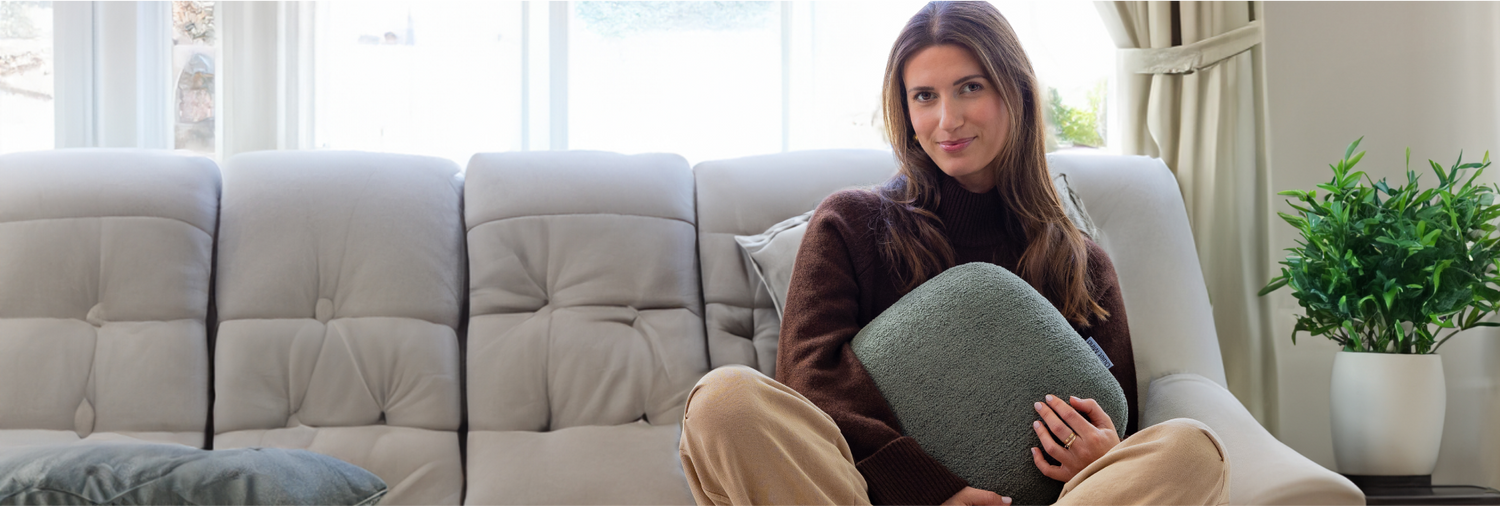
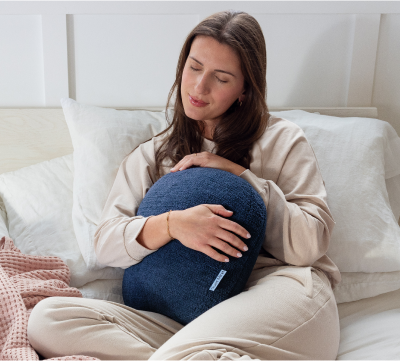
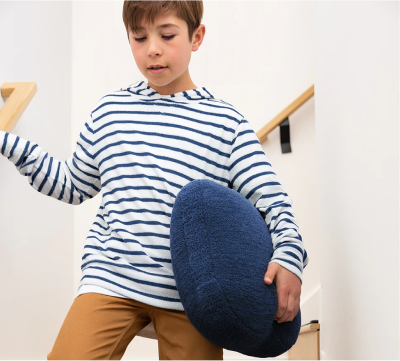
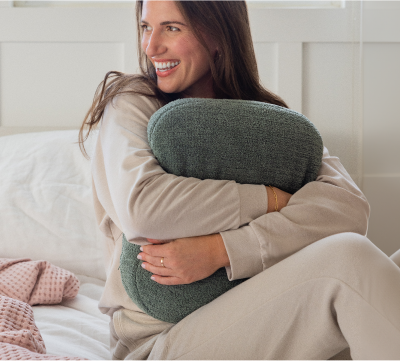
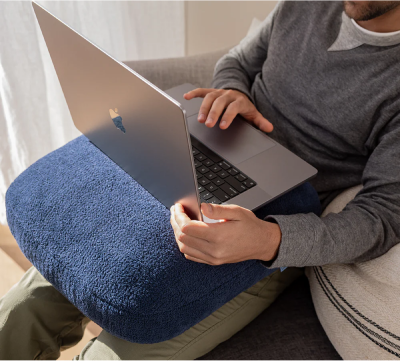
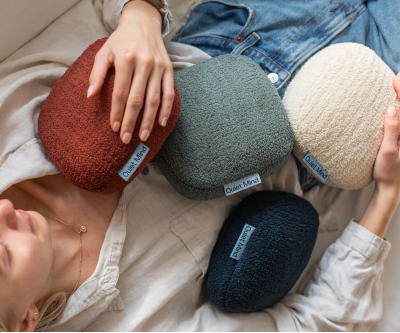
A weighted pillow delivers targeted pressure across the lap, chest, or arms. It's easier to move than a blanket, which gives the user more control over where and how much pressure they feel.
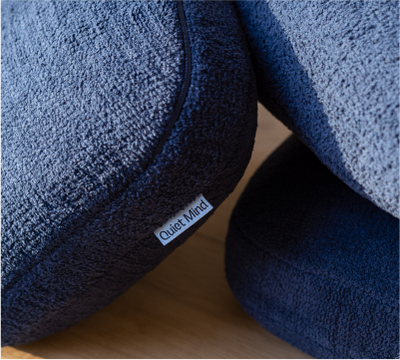
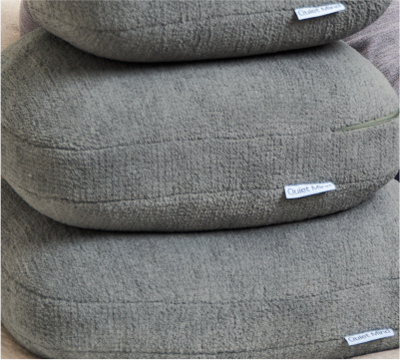
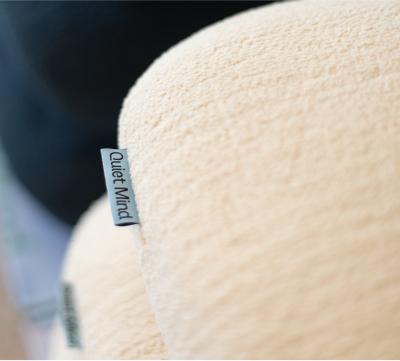
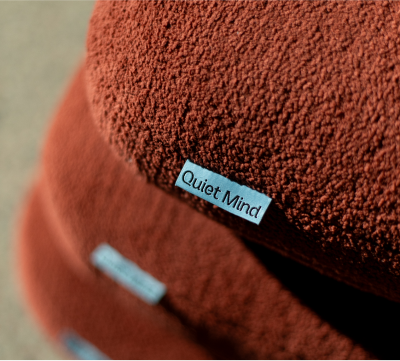
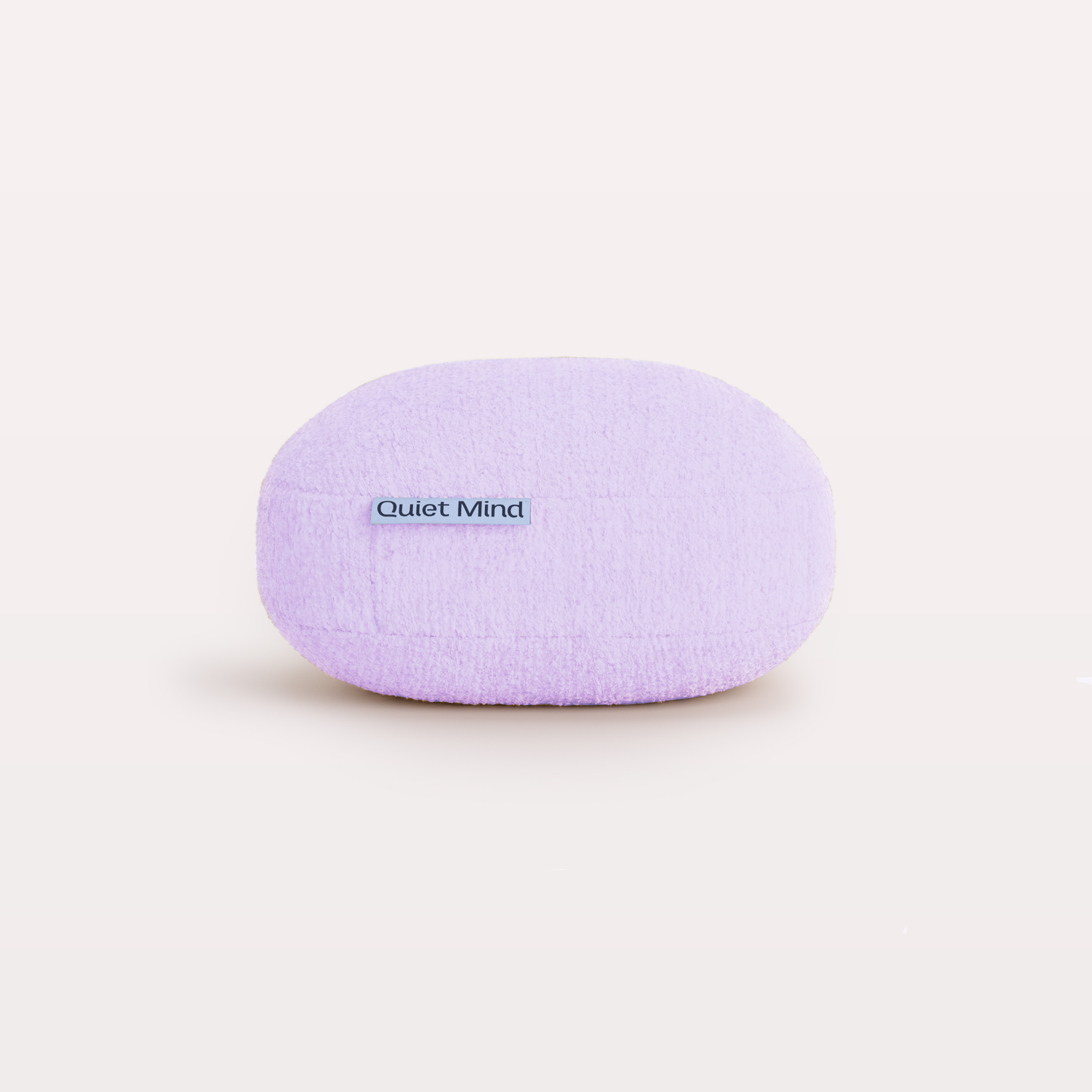
Quiet Mind's weighted pillows fit this category as huggable, targeted comfort tools. We'd never try to position them as PTSD relief, but for someone wanting manageable, localized pressure, they are worth considering.
Weighted Body Pillow
A weighted body pillow works well for side sleepers or anyone who wants lengthwise body contact without being fully covered. It can support bedtime grounding, post-trigger rest, or a general sense of physical steadiness.
For people who dislike feeling enclosed, a body pillow may be a more comfortable fit than a blanket.
Weighted Plush
Weighted plush options offer soft, emotionally gentle grounding. They feel familiar, and they work well when someone wants comfort without anything that feels medical or intense.
These are legitimate comfort objects for adults. There's nothing childish about wanting something soft to hold when the body is dysregulated.
Mini Weighted Squeeze Tool
For restless hands, travel, desk use, therapy waiting rooms, or public settings, a small squeeze tool fills a real sensory need. The job is simple: squeeze, hold, release, notice the texture and pressure.
Quiet Mind's Mini Squeeze is a small, portable option that fits in a bag and works without drawing attention.


How to Use a Weighted Product During a Grounding Moment
A simple sequence can make these tools more effective:
-
Choose the product before distress peaks.
-
Place it where it feels supportive.
-
Name three present-time facts: where you are, what day it is, what you can physically feel.
-
Pair pressure with slow breathing or quiet background sound.
-
Remove the product anytime it stops feeling right.
VA-style sensory grounding suggests that engaging the senses of sight, sound, and touch together may help reorient attention to the present. Weighted products can be one part of that sensory layer.
Choose the Right Weighted Product Safely
Choose based on control, comfort, temperature tolerance, mobility, and personal trigger sensitivity. Avoid anything that feels too heavy, too hot, too tight, or difficult to remove quickly.
Try the product in a calm state first. Using it for the first time during a severe flashback is not the right moment to learn how it feels on your body.
If you have claustrophobia, respiratory issues, mobility limits, or strong body-based triggers, speak with a trauma-informed therapist or occupational therapist before choosing a product.
When Weighted Products Are Not Enough
Weighted products can be part of a coping routine. PTSD care may also require trauma-focused therapy, medication, or both. When symptoms disrupt sleep, work, relationships, safety, or daily functioning, professional support is the right next step.
Needing more help does not mean the grounding tool failed. It means PTSD is a serious condition that deserves serious care.
Self-care practices like consistent routines, physical activity, mindfulness, quality sleep, and trusted social support can help alongside professional treatment. Weighted products may fit into that picture as a small, sensory addition.
FAQs
Can weighted products help with PTSD?
They may help some people feel more grounded or supported during recovery routines. They do not treat PTSD.
What is the best weighted product for PTSD grounding?
The best option is the one that feels calming, is easy to remove, and matches the person's sensory preferences.
Are weighted blankets safe for trauma survivors?
They may be safe for many adults. However, they can feel like a trap for some people, so starting slowly and keeping control in mind is important.
Which weighted product is best for flashbacks?
A small, easy-to-remove tool like a weighted pillow, plush item, or squeeze toy may feel more manageable than a full blanket in those moments.
Should I ask a therapist before using weighted products for PTSD?
It is a good idea if symptoms are severe, strongly body-based, or easily triggered by physical sensation.
Build a Grounding Routine That Feels Safe to Come Back To

Weighted products are not a cure. But they can give the body a steady, predictable sensory cue during the moments that matter, before bed, after a hard session, or when the nervous system needs something real to hold onto.
Quiet Mind makes soft, huggable weighted tools designed for exactly these moments.
Explore Quiet Mind's Collection to find a grounding tool that feels comfortable, removable, and easy to keep nearby.